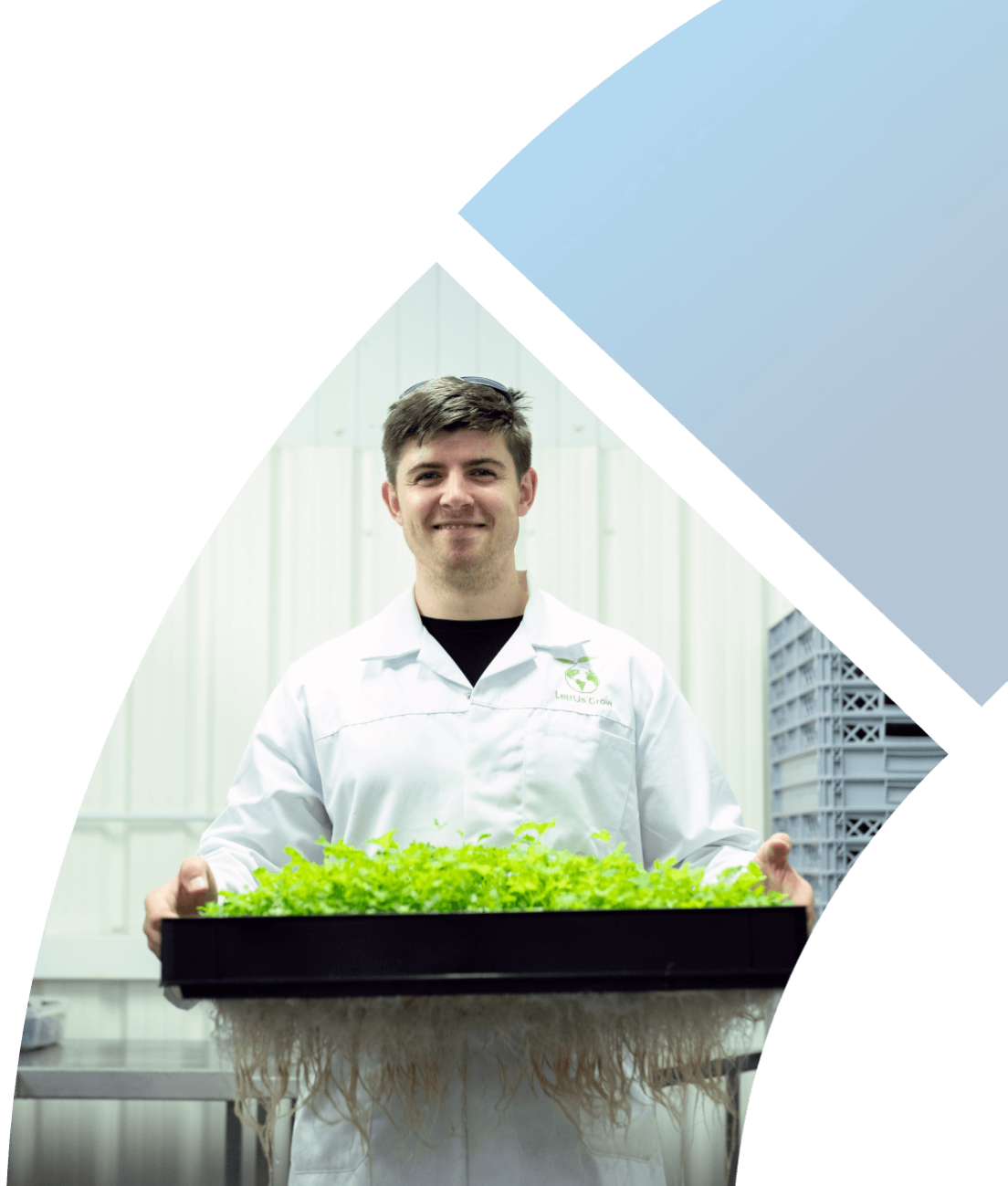
Together, we achieve goals.
What's your today?
18 resultsNews and articles
Engineering for sustainable development
The commitment of European states to meet the Sustainable Development Goals (SDGs) highlights the need for many changes in the current way of doing things, both by governments and businesses. However, the need to achieve objectives by 2030 and 2050 requires an action plan that will need the knowledge of many professional groups. I will focus on the field of engineering in all its specialties, undoubtedly one of the most significant contributors to the proper development of these obligations.


Selection by values
The COVID pandemic has accelerated many of the changes that were occurring in the labor market. Consumers increasingly demand companies that are more committed to the environment, to the welfare of their workers, to promoting a balance between personal and professional life, and to social causes. It has been socially responsible companies with a clear purpose that have truly emerged strengthened from this situation.

Minimum Interprofessional Salary 2026: official update and practical implications
On February 18, 2026, Royal Decree 126/2026 was published in the Official State Gazette, setting the new Minimum Interprofessional Salary (SMI) for 2026 and expressly regulating the compensation and absorption regime on an annual basis.
The regulation establishes a minimum wage of €1,221 gross per month in 14 payments, with retroactive effect from January 1, and requires companies to review payrolls and salary structures in accordance with legal criteria.


Self-employed contributions for 2026. New developments and changes
Self-employed contributions for 2026 are set to undergo changes that will affect self-employed professionals in the coming fiscal year. After a three-year period (2023-2025) of implementing the new contribution system based on actual income and continuous increases, the government is now proposing a new increase for 2026 that has not yet been approved, but the first details of which are already known. We explain the planned changes so that you can assess how they will affect your finances and financial planning.


Hybrid working and corporate culture: the challenge of bringing together dispersed teams
Hybrid working has become established in Spain as the preferred working model for employees. According to a study by Randstad (2025), 26% of Spanish professionals want to continue working from home at least three days a week, and this has led to a radical change in the way corporate culture is understood and managed.

Be part of the change: how to activate the ‘E’ in ESG


What rental subsidies are available and how to apply for them?


Trends in people management in 2026
In recent years, we have seen how people management has ceased to be a purely administrative function and has become a key strategic element for the competitiveness and growth of organisations.

Legislative news
RDL 16/2025: Social, Tax, and Social Security Measures
Royal Decree-Law 16/2025, of 23 December, extending certain measures to address situations of social vulnerability and adopting urgent measures in tax and Social Security matters.
This Royal Decree-Law extends various measures aimed at addressing situations of social vulnerability, with the goal of protecting the groups most affected by the current economic context. It also introduces urgent measures in tax and Social Security matters, aimed at ensuring system stability and support for individuals and businesses. The regulation maintains and adapts existing social protection instruments and introduces temporary fiscal adjustments.
RDL 2/2026: Urgent measures on social vulnerability and tax matters
RDL 2/2026 of 3th February introduces urgent measures to protect people in situations of social vulnerability, address tax issues, and manage resources of territorial financing systems.
RDL 3/2026: Revaluation of Public Pensions and Other Urgent Measures Regarding Social Security
Royal Decree‑Law 3/2026, of February 3, establishes the revaluation of public pensions for 2026 with a general increase of 2.7 % and higher increases for minimum, non-contributory pensions and the IMV, and includes other urgent measures regarding Social Security, such as adjustments to contributions and technical measures for the system.
All interns will pay contributions as of 2024
Starting January 1, 2024, all companies will be required to register interns with Social Security, regardless of whether they are engaged in paid internships or not.
People
Carles Busuldu Cabot
Projects
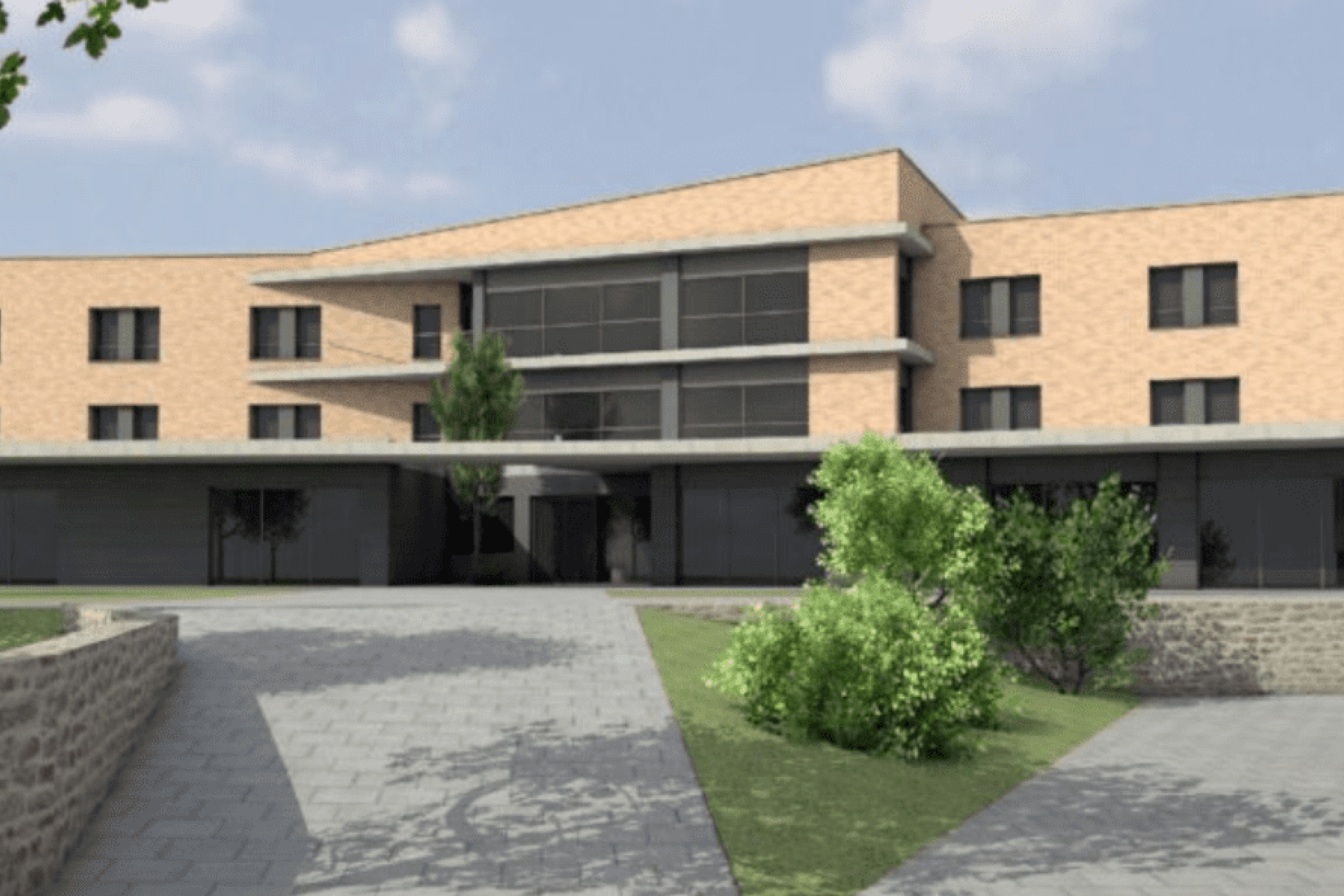
Expanding the Residence for People with Intellectual Disabilities in Prats de Rei

Comprehensive Project: modern, secure, and sustainable offices


Comprehensive Labour Management for the Igualada Sociosanitary Consortium: A Commitment to Care Quality.


Implementing an Agri-food Industry in Sant Salvador de Guardiola: An Integral and Sustainable Solution

Products
Sustainability
- Environmental consultancy
- Environmental impact
- Climate change management
- Product sustainability
- Corporate sustainability