Together, we achieve goals.
What's your today?
25 resultsNews and articles
What happens if an unpaid debt is collected? VAT and corporation tax
When a company has an unpaid debt, it often recovers the VAT charged and records a tax-deductible impairment in corporation tax.


The Supreme Court extends the maternity deduction for childcare expenses to nurseries
In a ruling on 8 January, which unifies criteria, the Supreme Court has decided to extend the deduction for maternity in the Personal Income Tax (IRPF) to the costs of childcare.


What is the deadline for the return of the deposit in the rental of a property?
The Law on Urban Leases (LAU) does not establish a specific deadline for returning the deposit at the end of a lease and only states that, after one month from the delivery of the keys, if the corresponding amount is not returned, interest will start to be applied.


The second chance mechanism: another future without debt is possible
Yes, debts are not for life; debts can be canceled, and a fresh start can be made.
The second chance has been in force since 2013 for individual entrepreneurs and since 2015 for any non-entrepreneurial individual. It may not be, from a technical point of view, and in my opinion, the best possible second chance law, but it is a law that allows for the exoneration of debts, and that is what is important. The law must be useful and functional, and for this reason, it must be utilized so that thousands of over-indebted, insolvent individuals can achieve the exoneration of their debts and start again as active members of society.

The challenge of work-life balance: impact and challenges for companies
Royal Decree-Law 5/2023 of June 28 has introduced significant changes in the area of labor leave, expanding the rights of reconciliation and ensuring equality of treatment and opportunities between men and women at work. These updates have been the necessary response to the European Directive 2019/1158, which aims to balance the family and professional life of parents and caregivers.


Grup Carles is promoting the Mergers and Acquisitions area and has become a co-founder of IBER CF
At Grup Carles we consolidate the area of Mergers and Acquisitions and become co-founders of IBER CF, a new international network of corporate finance, audit and legal advice.

Environmental declarations for 2025: key obligations and deadlines for businesses
The deadline for submitting the main environmental declarations relating to activities in 2025 is 31 March. These are a set of administrative obligations that apply to industrial companies, waste management operators and other activities with an environmental impact.


IAE: who is exempt and what needs to be reviewed each year to avoid overpaying
Many companies and self-employed individuals pay the Economic Activities Tax (IAE) each year without checking whether they still meet the exemption requirements or whether the factors determining the tax liability have changed.


Legislative news
Entry into force of Organic Law 1/2025 on efficiency measures for the Public Ministry of Justice.
Organic Law 1/2025, published on 3 January 2025, introduces reforms to improve the efficiency of the public justice system. The main changes include the creation of the Courts of Instance, which replace the unipersonal courts with a collegiate structure, and the mandatory use of appropriate means of dispute resolution (ADR), such as mediation, prior to the initiation of judicial proceedings in civil and commercial matters. These measures aim to streamline the resolution of disputes and reduce the burden on the courts.
People
Anna Casquet i Palau

Ana Estrada Fernández-Hontoria

Judit Prats Turell

Eulàlia Closa i Ballús

Antoni Vilella i Sánchez
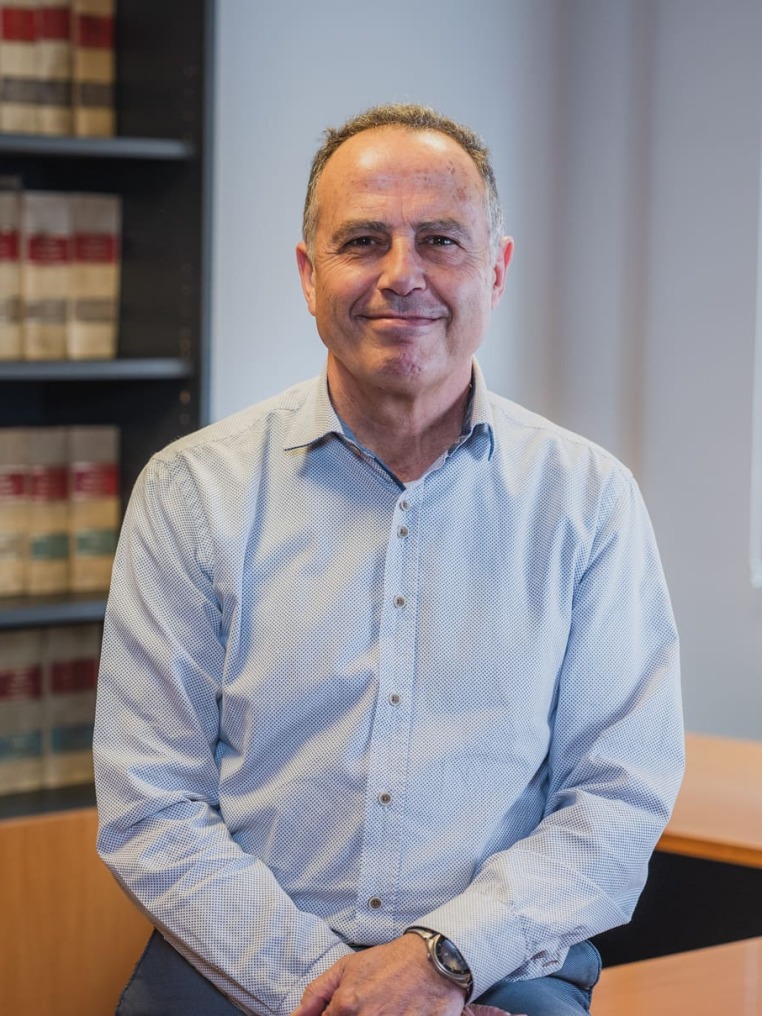
Raquel Pujabet Solanich

Jordi Pérez i del Ojo

Xavier Llopart i Duarte
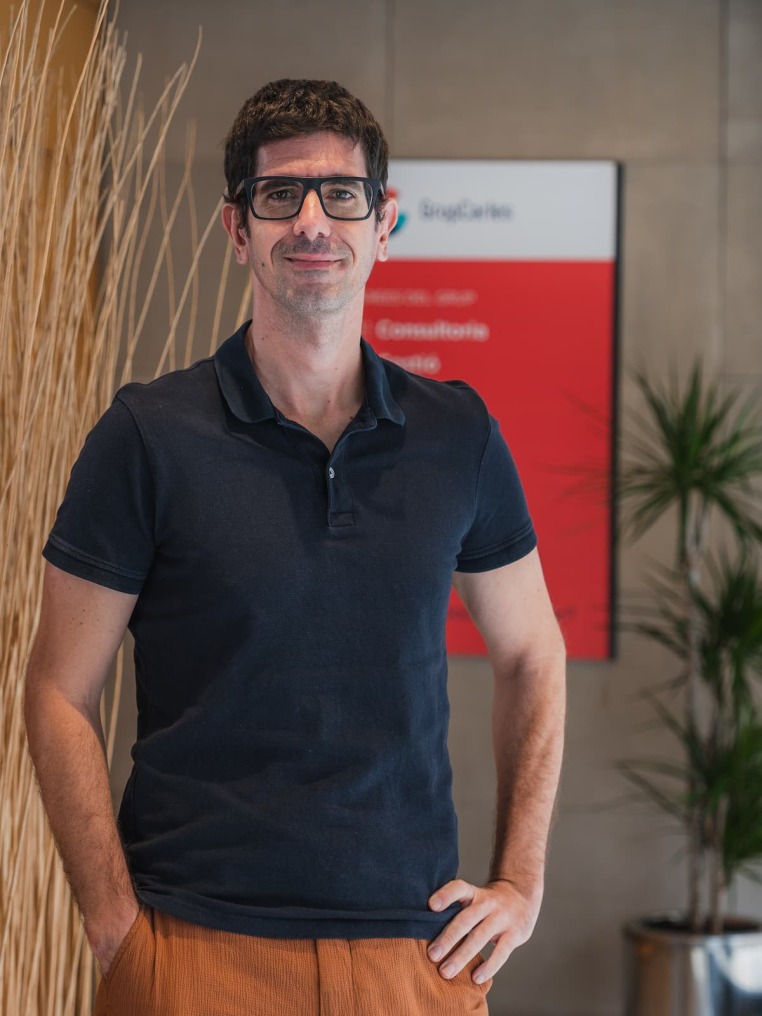
Projects
Advisory and Inheritance Management for the Open Arms Foundation.


Assisting in Protecting Individual Privacy.


Facilitating the Management in the Sale and Purchase of Caravans.


Towards More Efficient Waste Management in Pont de Vilomara


Designing urban planning and engineering services for the non-woven fabric industry.


Diligent defense in a supplementary Inheritance Tax settlement.

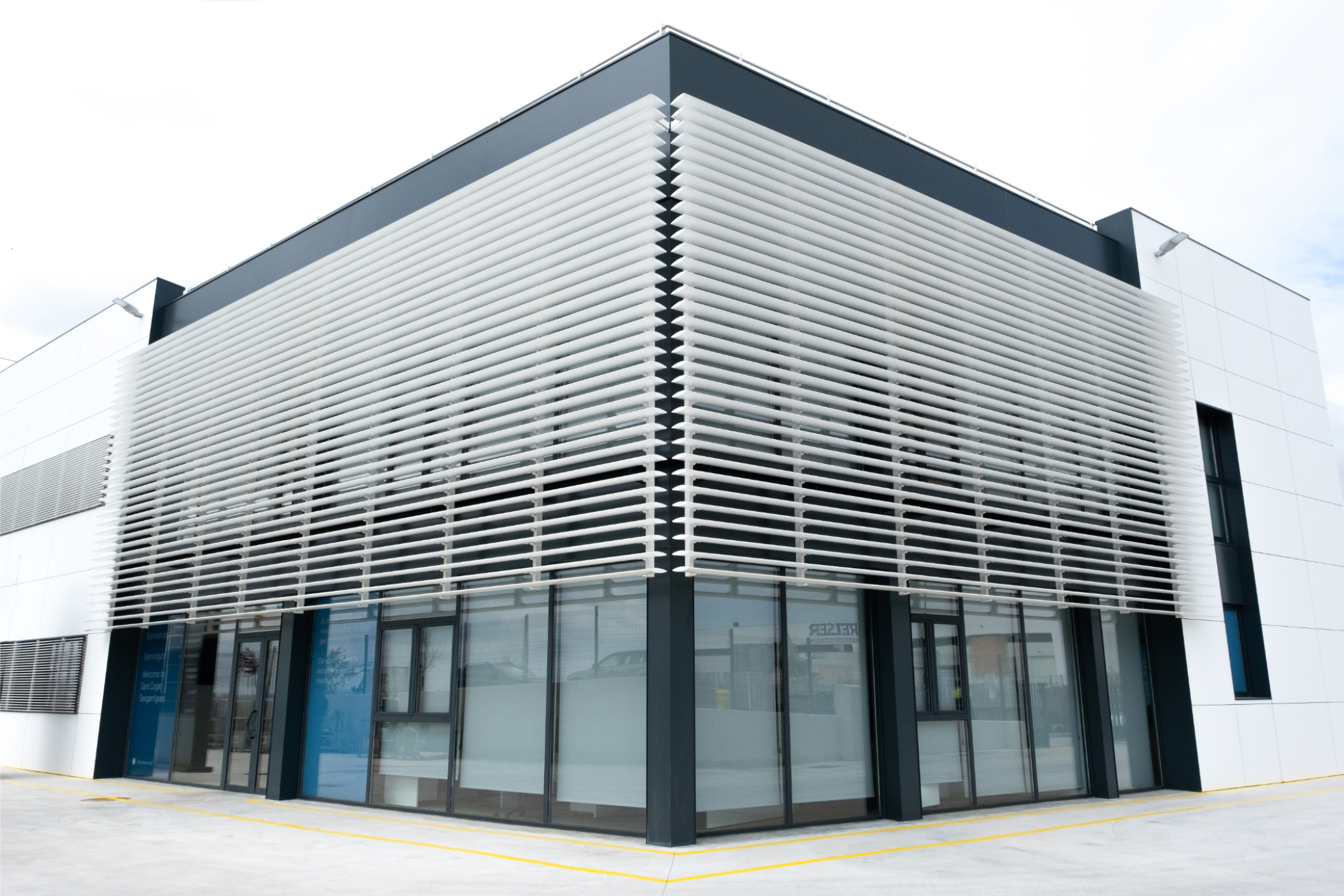
Development and management of a civil works and facilities project for an industrial and office complex
Demonstrating our clients' legitimacy.