Together, we achieve goals.
What's your today?
38 resultsNews and articles
How to negotiate the purchase price of a house


Initial and periodic environmental controls in Catalonia: what your company needs to know
In Catalonia, Law 20/2009 on environmental prevention and control of activities establishes the legal regime applicable to activities with an environmental impact, differentiating them according to their potential impact and regulating the controls necessary to ensure compliance.


Grants to remove asbestos in Catalonia 2025: Everything you need to know
Find out how to access grants to remove asbestos in Catalonia in 2025. Everything you need to know about subsidies, terms and benefits. Remove asbestos from your building.


Differences between carbon footprint calculation, validation and verification
When we talk about carbon footprinting, the concepts of calculation, validation and verification are concepts related to the different steps to be followed in the process of assessing and ensuring the accuracy of carbon footprint information. So what is the difference between these concepts?


What is the carbon footprint?
A carbon footprint is defined as ‘the total greenhouse gases emitted by the direct or indirect effect of an individual, organisation, event or product’.

Life Cycle Analysis (LCA)
In an increasingly environmentally conscious world, companies and organisations are looking for ways to reduce their environmental impact. Life Cycle Assessment (LCA) is a fundamental tool for this purpose, as it allows the environmental impacts associated with a product, process or activity to be assessed throughout its entire life cycle.
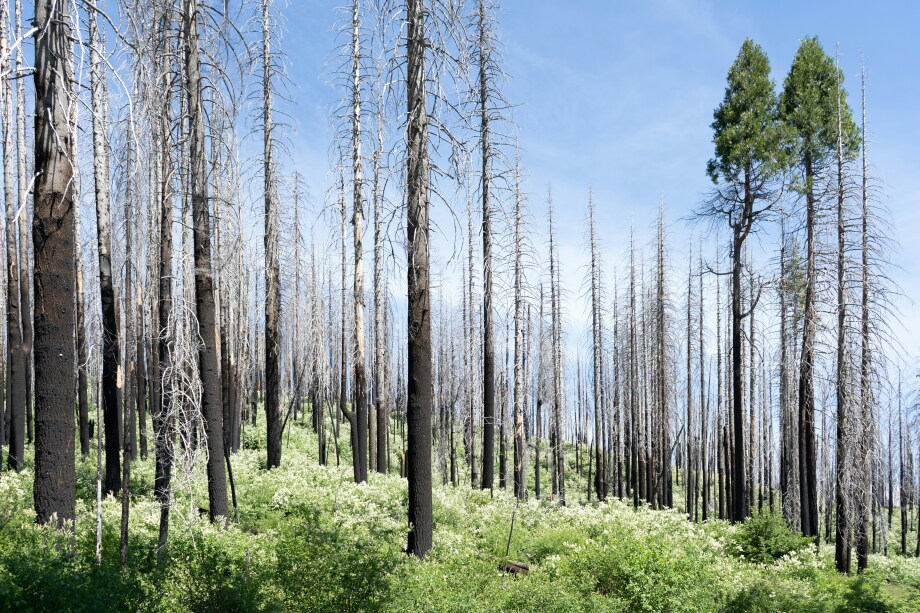
Engineering for sustainable development
The commitment of European states to meet the Sustainable Development Goals (SDGs) highlights the need for many changes in the current way of doing things, both by governments and businesses. However, the need to achieve objectives by 2030 and 2050 requires an action plan that will need the knowledge of many professional groups. I will focus on the field of engineering in all its specialties, undoubtedly one of the most significant contributors to the proper development of these obligations.

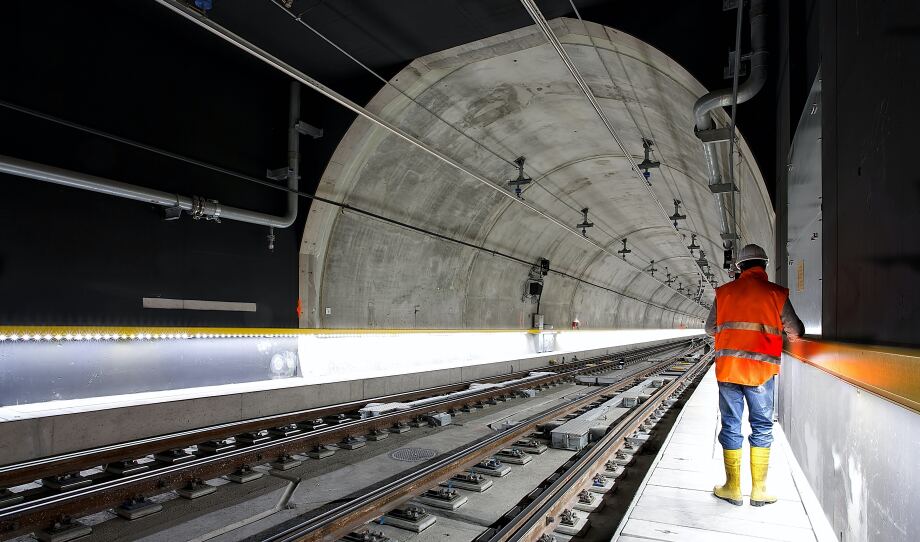
DANA: Urgent measures for damages approved - RDL 6/2024 - Administrative, civil and commercial fields
In the BOE of 6 November, and with effect from 7 November 2024, Royal Decree Law 6/2024 has been approved, introducing a package of urgent measures to mitigate the effects of the DANA which, between 28 October and 4 November 2024, caused significant damage in several regions of Spain, including the Valencian Community, Castilla-La Mancha, Andalusia, Catalonia, the Balearic Islands and Aragon.

Legislative news
Law 9/2025 on Sustainable Mobility.
The 2025 Law requires companies to rethink workplace mobility, improving accessibility, sustainability, and the management of employee commuting.
Royal Decree-Law 15/2025 - Extension of deadlines for adapting computerised invoicing systems
The Government approves a Royal Decree-Law to allow autonomous communities and local councils to use their surpluses to invest in sustainable projects, and to extend the deadline for applying the regulations governing computerised invoicing programmes, ensuring that companies and administrations have sufficient time to adapt correctly.
Order TES/1573/2025: New update of the annexes of the Register of Collective Agreements and Equality Plans (REGCON)
Royal Decree 1065/2025 on training contracts
Royal Decree 1065/2025, of 26 November, develops the training contract regime provided for in Article 11 of the Workers' Statute. This regulation specifies the conditions, rights and obligations that both companies and workers must respect, with the aim of reinforcing the educational and professional value of this type of contract.
Directiva (UE) 2025/1892
The directive amends Directive 2008/98/EC on waste to establish binding targets for reducing food waste and to extend the extended producer responsibility to the textile, footwear, and related product sectors, promoting reuse, separate collection, and fibre recycling.
Resolution of 17 October: Public holidays in Spain for 2026
BOE 259 of 28 October. Publication of the list of public holidays for 2026.
Approved the development of Mecanisme RED for businesses
The Royal Decree 608/2023, of July 11th, will enable companies to request measures for reducing working hours and suspending employment contracts. It also introduces significant changes in the regulations for collective dismissals.
People
Pere Carles i Freixas
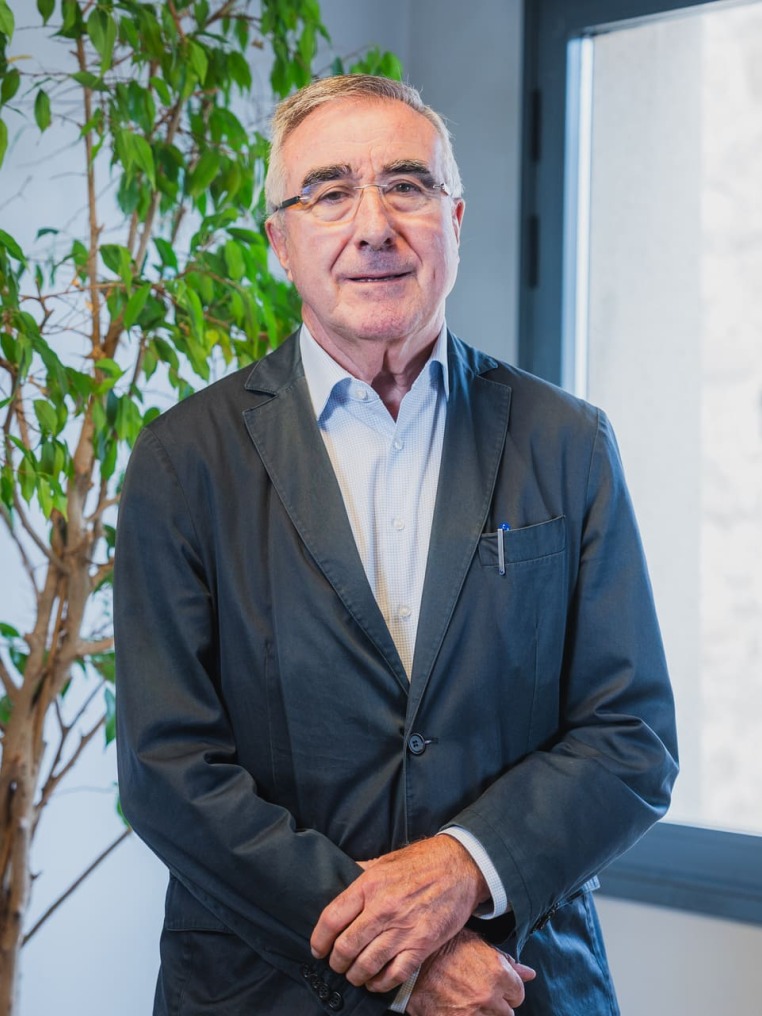
Pol Frade Dalmau

Jordi Carulla i Bellvehi

Roger Carles i Tort
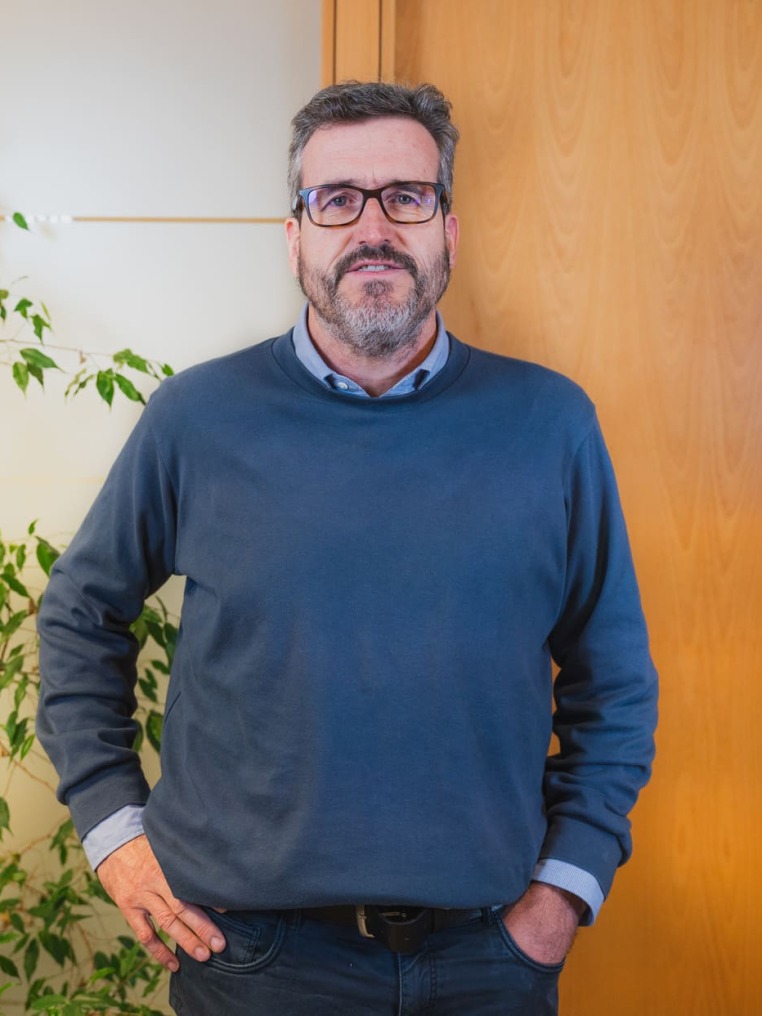
Antoni Vilella i Sánchez
Sebastià Carles i Freixas
Gabriel Zaharia i Zaharia

Pere Claramunt i Audinis

Projects
Ensuring Efficient Labour Management for a Leading Company in the Industrial Sector

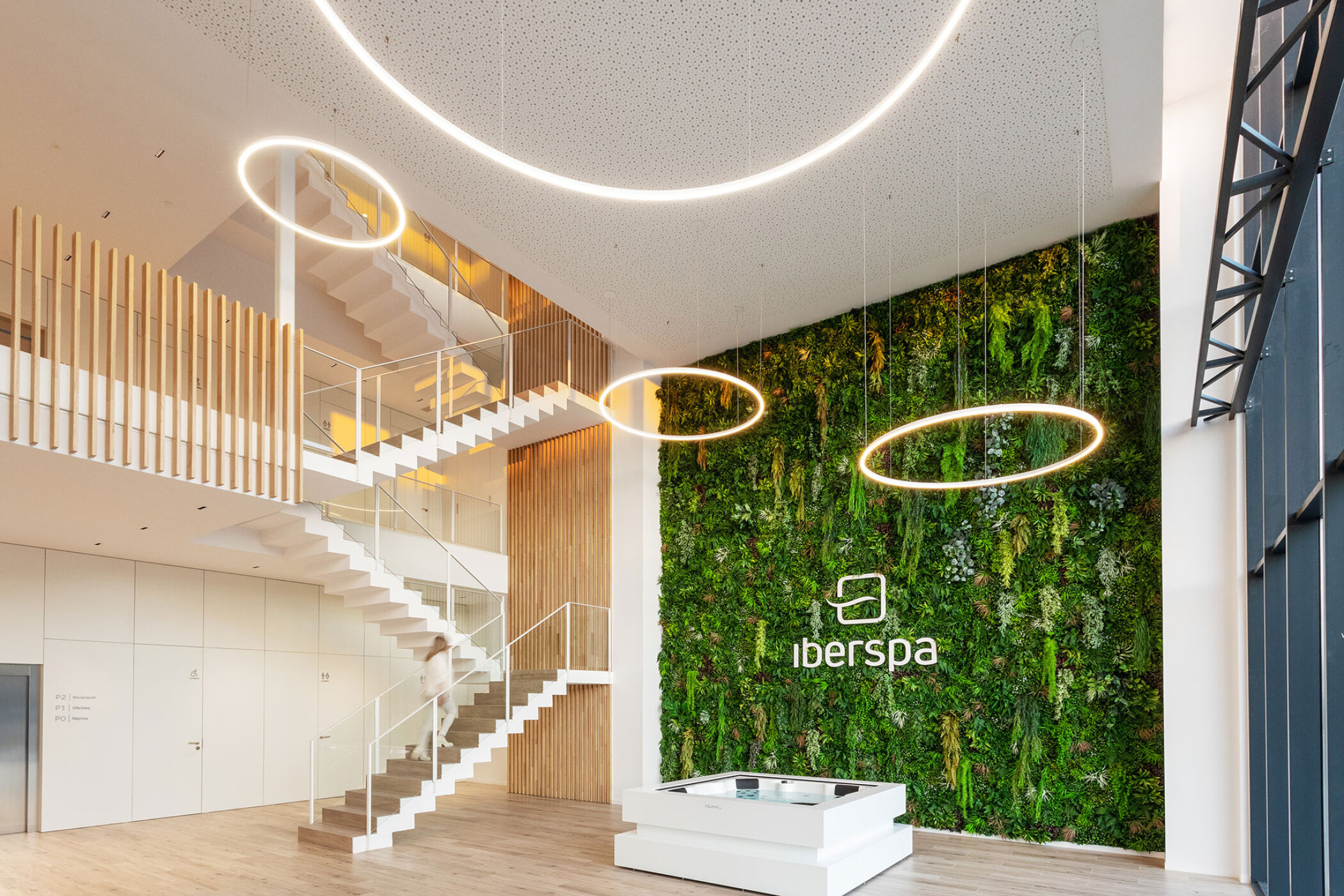
Comprehensive Labour Management for the Igualada Sociosanitary Consortium: A Commitment to Care Quality.


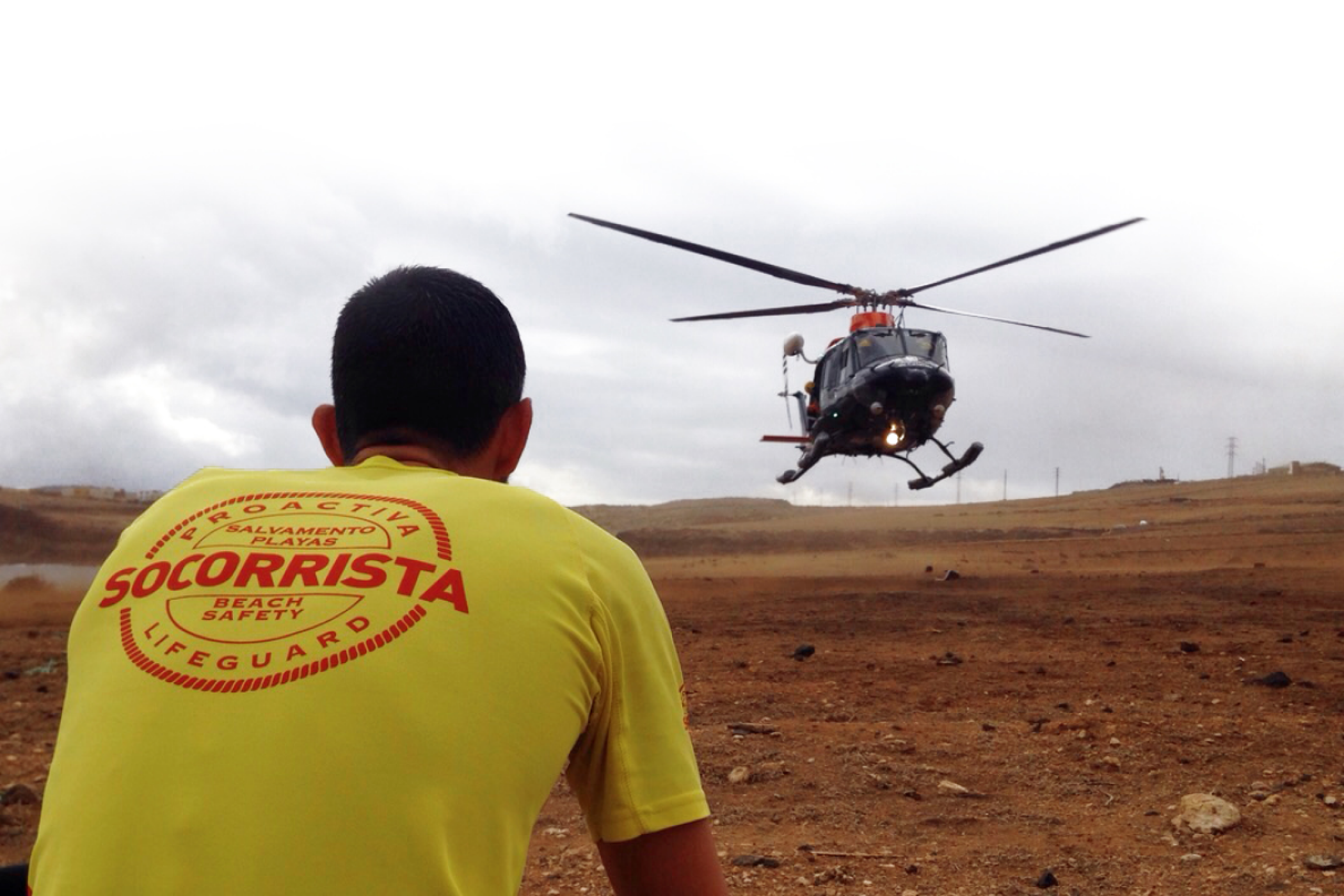
Labour Management for Saving Human Lives.

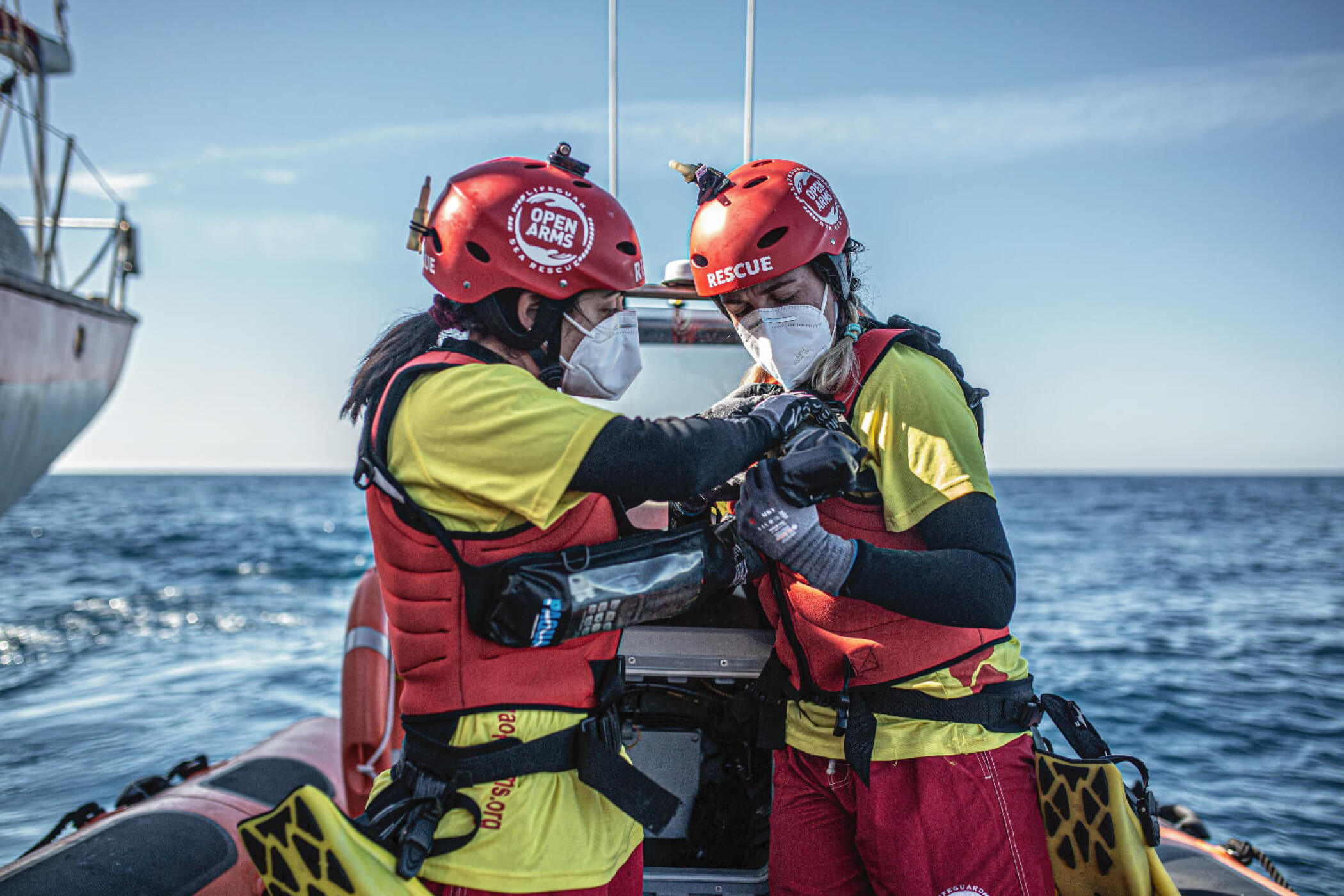
Optimizing Labour Management for an Activity with Significant Seasonal Staff Variations

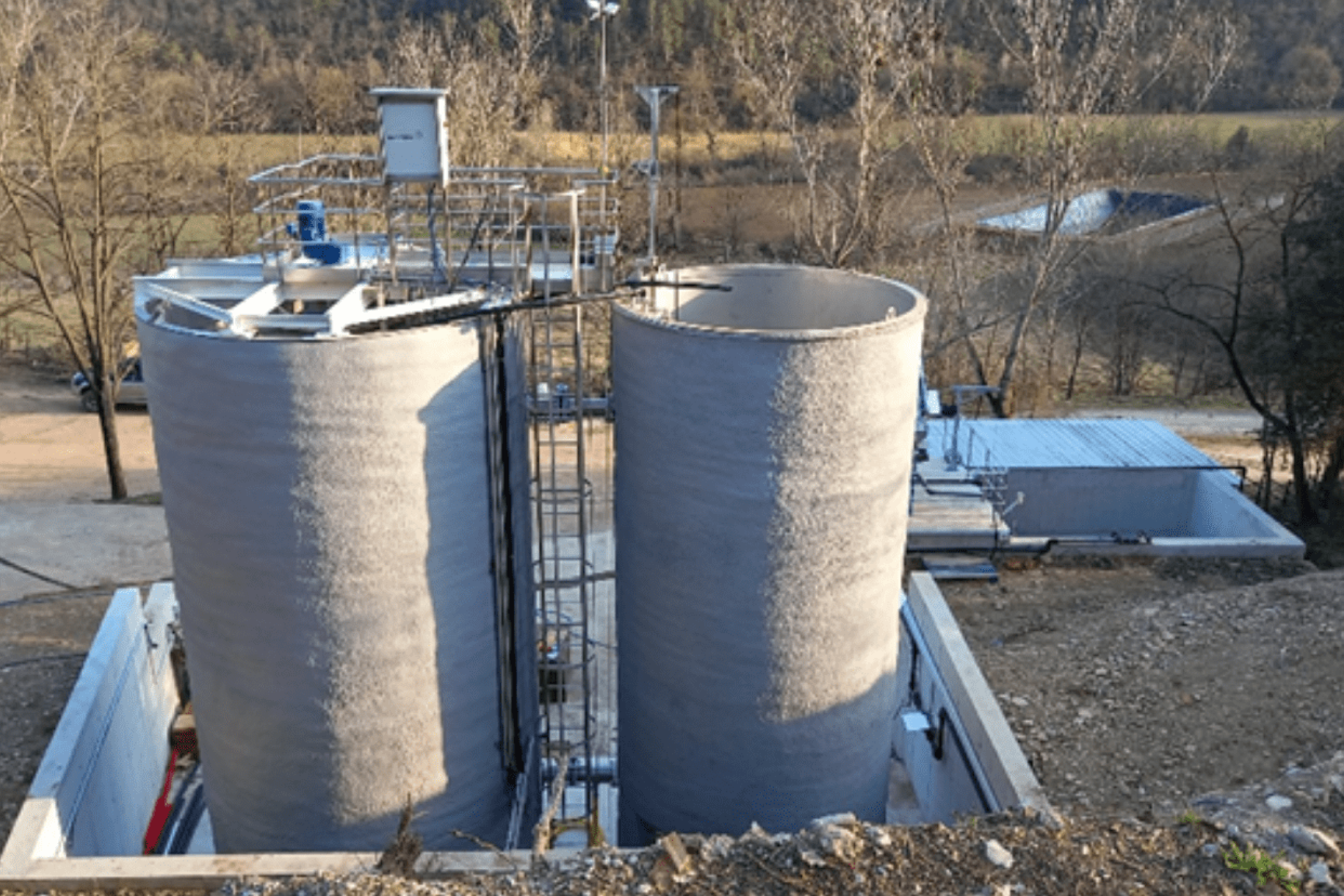
Building a biological plant in Garrotxa for efficient and responsible management of pig waste.

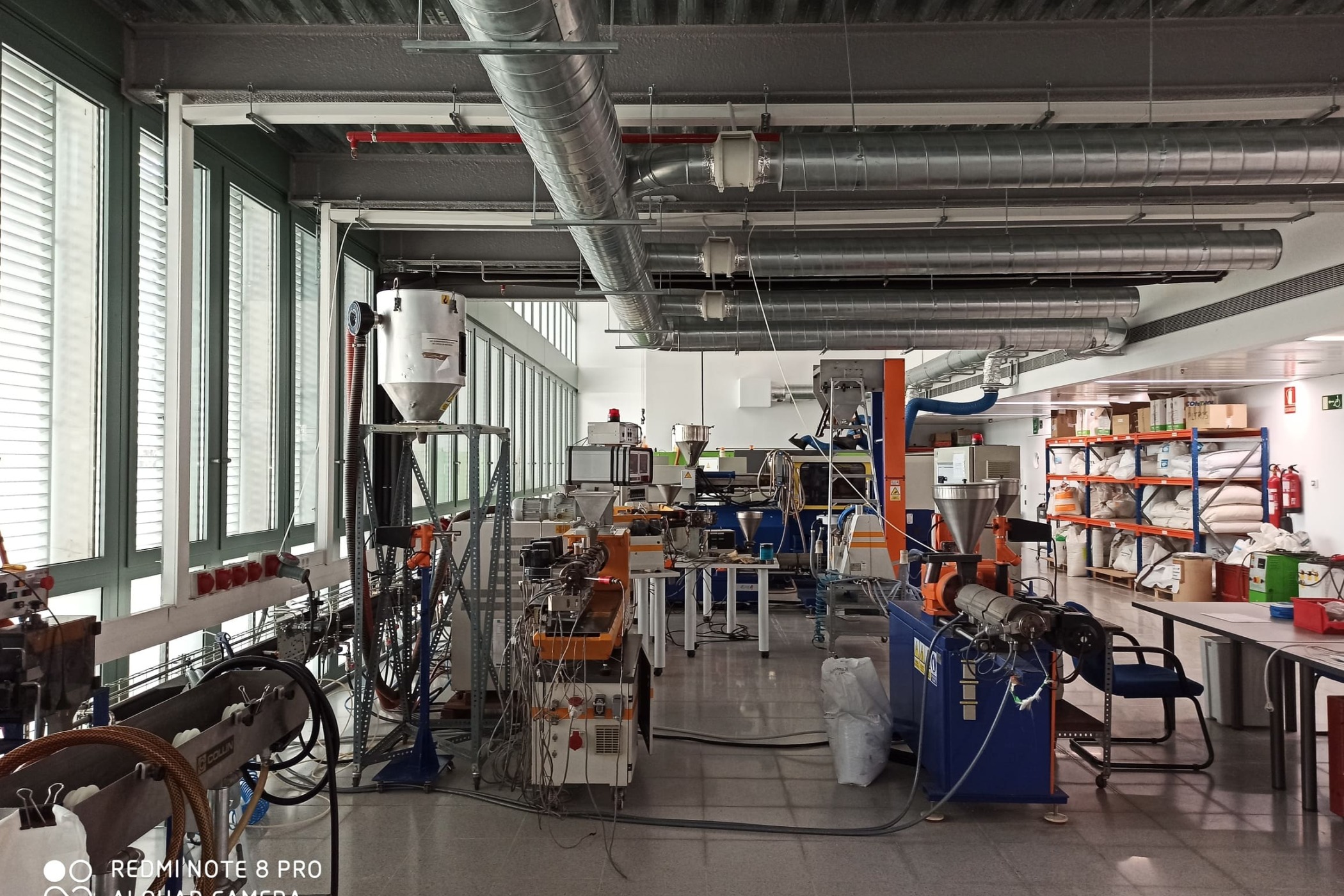
Promoting Innovation: A project for the Relocation of the Catalan Plastic Center to the UPC Diagonal Besòs Campus.

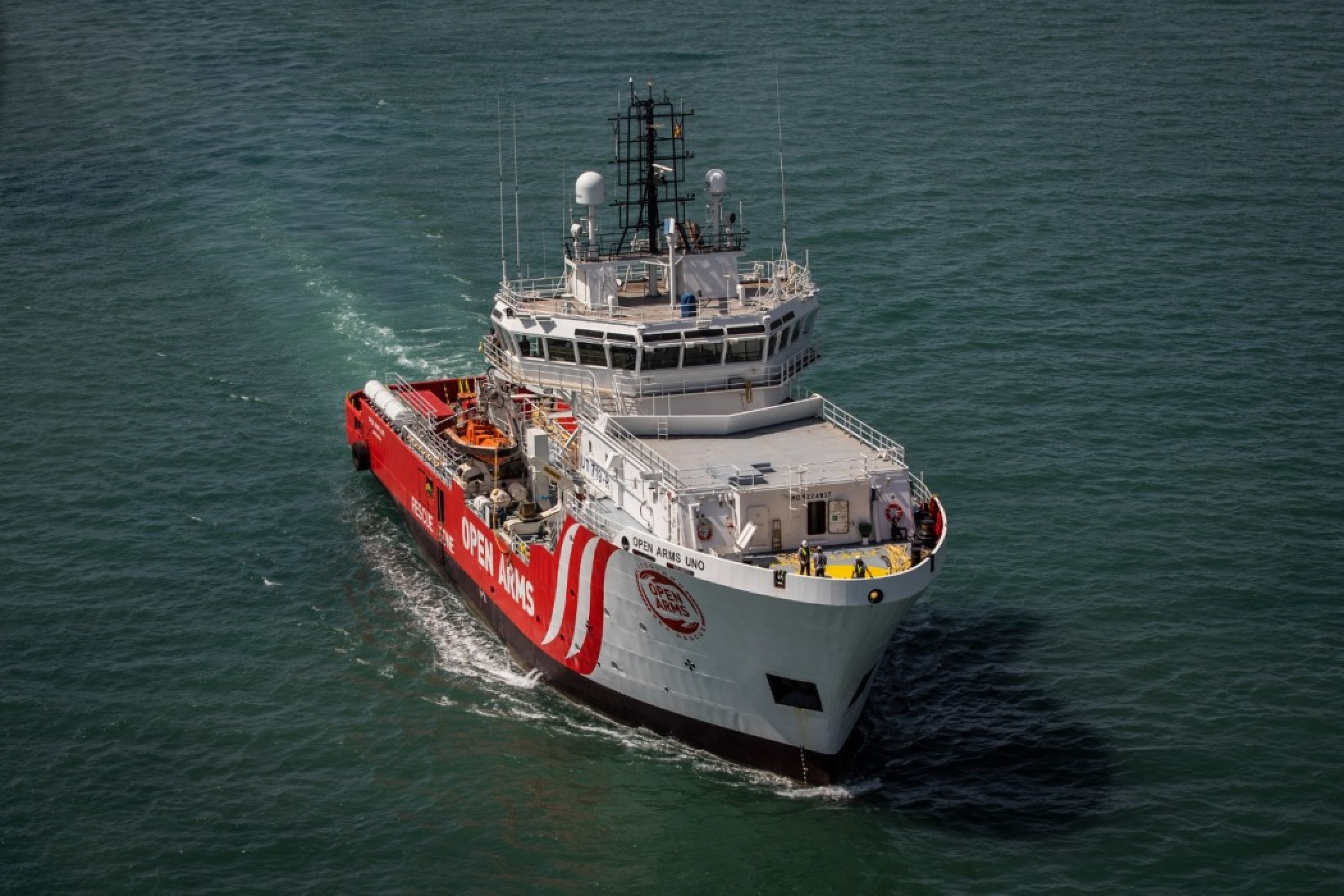
Advisory and Inheritance Management for the Open Arms Foundation.

Comprehensive Project: modern, secure, and sustainable offices

Products

e-gestió
- Free
- 24/7 Service
- Employee Portal


Integral Subscription
- Expert and continuous guidance.
- Tailored to your needs.
- Free online management software.
- No surprises.

RAACPUR | Biological treatment plants for livestock manure.
- Yields certified by official bodies
- Cost reduction
- Comprehensive support
- Easy maintenance
- Subsidised investment


Your Personal Income Tax
- Send the documentation.
- We inform you of the result.
- We process the declaration.


Labour outsourcing
- Improved productivity
- Cost reduction
- Expert advice
Fac 24
- Manage all accounting needs from any device.
- Handle accounting, invoices, and taxes.
- Monitor business progress in a very simple way.
Sustainability
- Environmental consultancy
- Environmental impact
- Climate change management
- Product sustainability
- Corporate sustainability