Together, we achieve goals.
What's your today?
38 resultsNews and articles
Regulation of light pollution and energy efficiency in outdoor lighting in Spain and Catalonia
The regulation of light pollution and energy efficiency in outdoor lighting are key elements in reducing environmental impact and protecting the night-time environment.


Tax debts: deadlines, surcharges and certificate of good standing
When we have tax debts, a voluntary payment period begins, during which we can pay off the debt. If we fail to do so, an enforcement period begins, during which the tax authorities can apply surcharges and even seize assets to collect the amount owed.


Circular economy: new developments in calculating the efficiency of battery recycling
On 24 July, the new rules, Delegated Regulation (EU) 2025/606, will come into force to accurately measure the efficiency of battery recycling. These rules will have to be applied by all agents involved in the production, management or recovery of batteries within the European Union. This regulation aims to establish common, clear and consistent rules to prevent unfair competition and boost the secondary market for batteries.


Water Footprint vs. Water Footprint ISO 14046-2014: Differences
Water is an essential resource for life on earth, but its availability and quality are under pressure due to a number of factors, from climate change to population growth and industrial activity. To understand and address these challenges, two key tools have been developed: the water footprint and the water footprint. Although both are related to water use, they differ in their approach and application.

The 2024 environmental inspection calendar in Catalonia is approved
The Government of Catalonia, through the Department of Climate Action, Food and Rural Agenda, demonstrates a strong commitment to sustainability and environmental monitoring with the approval of the new Integrated Environmental Inspection Programme for the year 2024.


Breaking down the Voluntary CSRD Modules: A Tool for Sustainable SMEs
In this article, we will explore in detail the different modules of the voluntary CSRD and how SMEs can use them to strengthen their commitment to sustainability.


Probation Period in Employment Contracts: What You Need to Know
The probation period is an initial stage of the employment relationship where both the employer and the employee can terminate the contract without notice, justification, or compensation. This clause, set out in writing in the contract, allows both parties to assess whether the initial expectations match the actual work environment.


Industrial engineering trends for 2026: from digital twins to AI with discernment
By 2026, concepts such as the digital twin, the Internet of Things (IoT) and artificial intelligence (AI) will not only coexist, but will be combined to improve efficiency, reduce costs and enable more informed decision-making.


Legislative news
Law 9/2025 on Sustainable Mobility.
The 2025 Law requires companies to rethink workplace mobility, improving accessibility, sustainability, and the management of employee commuting.
Royal Decree-Law 15/2025 - Extension of deadlines for adapting computerised invoicing systems
The Government approves a Royal Decree-Law to allow autonomous communities and local councils to use their surpluses to invest in sustainable projects, and to extend the deadline for applying the regulations governing computerised invoicing programmes, ensuring that companies and administrations have sufficient time to adapt correctly.
Order TES/1573/2025: New update of the annexes of the Register of Collective Agreements and Equality Plans (REGCON)
Royal Decree 1065/2025 on training contracts
Royal Decree 1065/2025, of 26 November, develops the training contract regime provided for in Article 11 of the Workers' Statute. This regulation specifies the conditions, rights and obligations that both companies and workers must respect, with the aim of reinforcing the educational and professional value of this type of contract.
Directiva (UE) 2025/1892
The directive amends Directive 2008/98/EC on waste to establish binding targets for reducing food waste and to extend the extended producer responsibility to the textile, footwear, and related product sectors, promoting reuse, separate collection, and fibre recycling.
Resolution of 17 October: Public holidays in Spain for 2026
BOE 259 of 28 October. Publication of the list of public holidays for 2026.
Approved the development of Mecanisme RED for businesses
The Royal Decree 608/2023, of July 11th, will enable companies to request measures for reducing working hours and suspending employment contracts. It also introduces significant changes in the regulations for collective dismissals.
People
Oriol Marín i Peña

Anna Aguilar Ruiz-Ruano

Laia Ruiz i Santjoan

Miquel Adrio i Pérez

Gemma Solà i Sogas
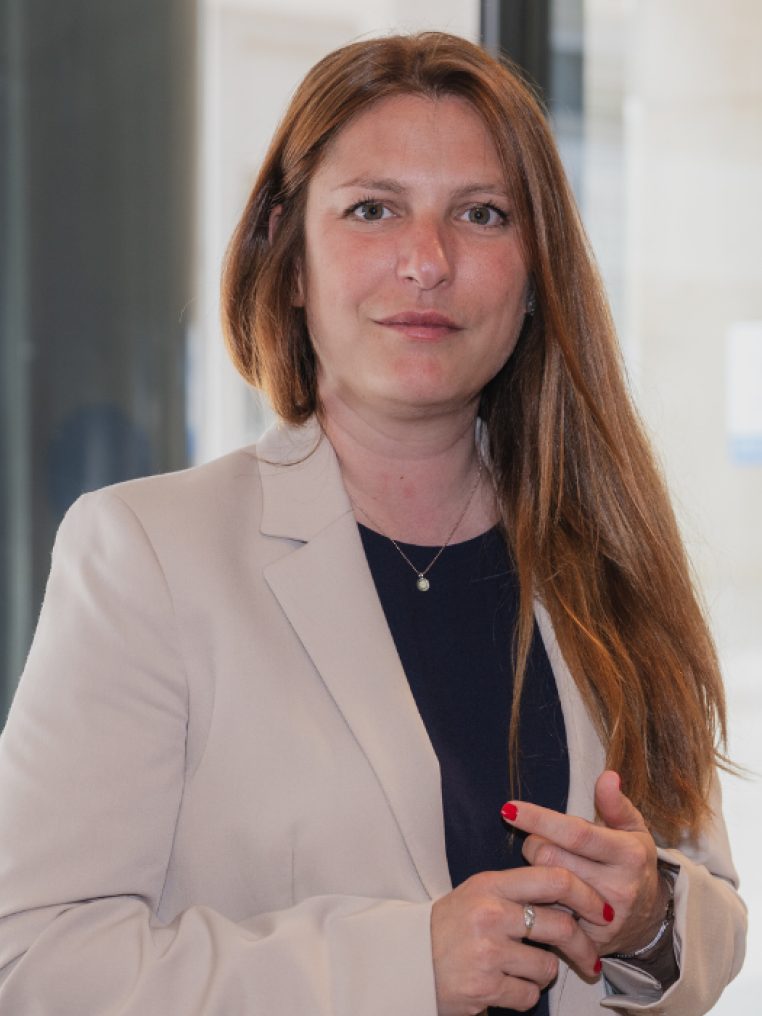
Anna Masramon i Taña

Abril Garcia Salvador

Judit Prats Turell

Projects
Ensuring Efficient Labour Management for a Leading Company in the Industrial Sector

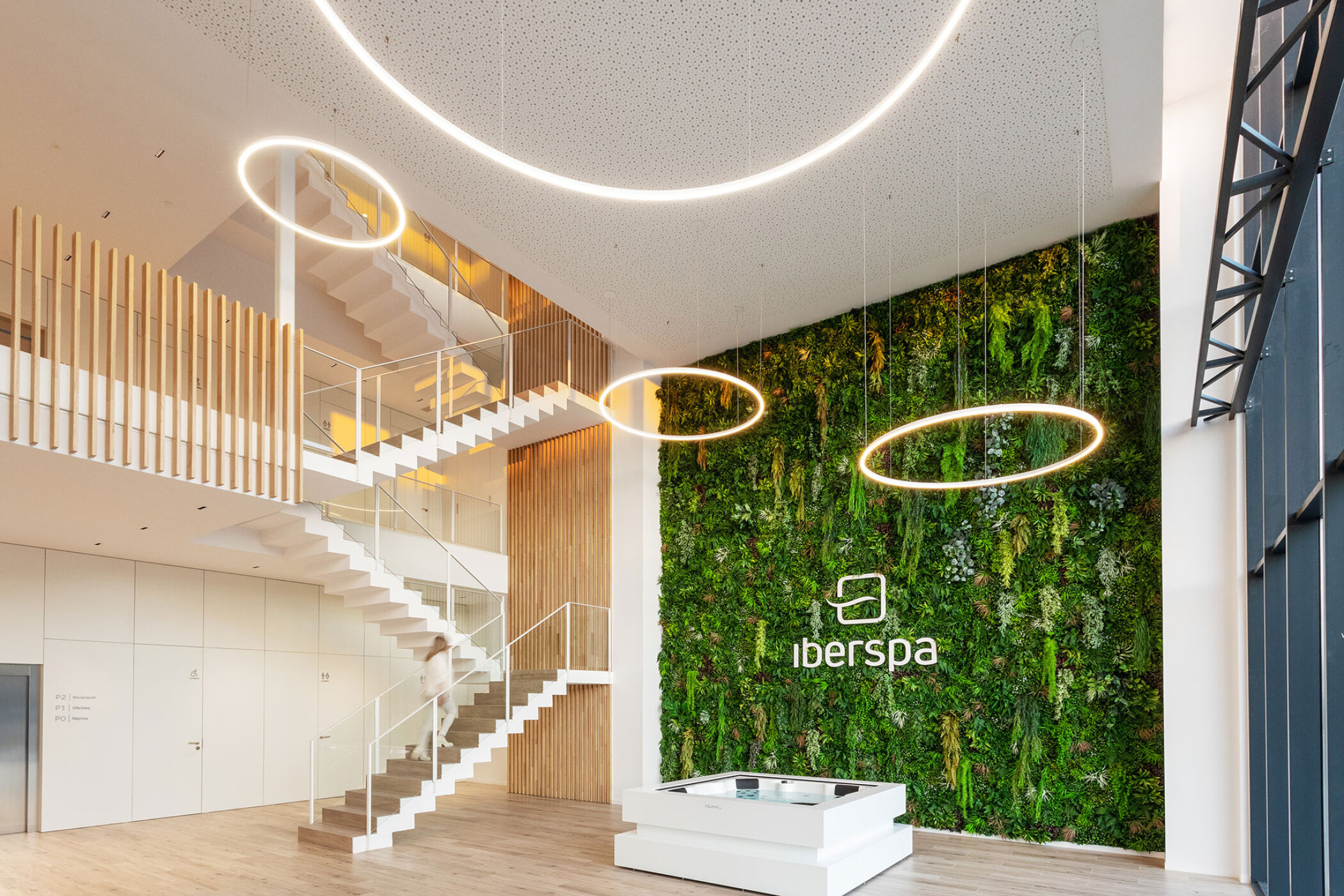
Comprehensive Labour Management for the Igualada Sociosanitary Consortium: A Commitment to Care Quality.


Labour Management for Saving Human Lives.


Optimizing Labour Management for an Activity with Significant Seasonal Staff Variations


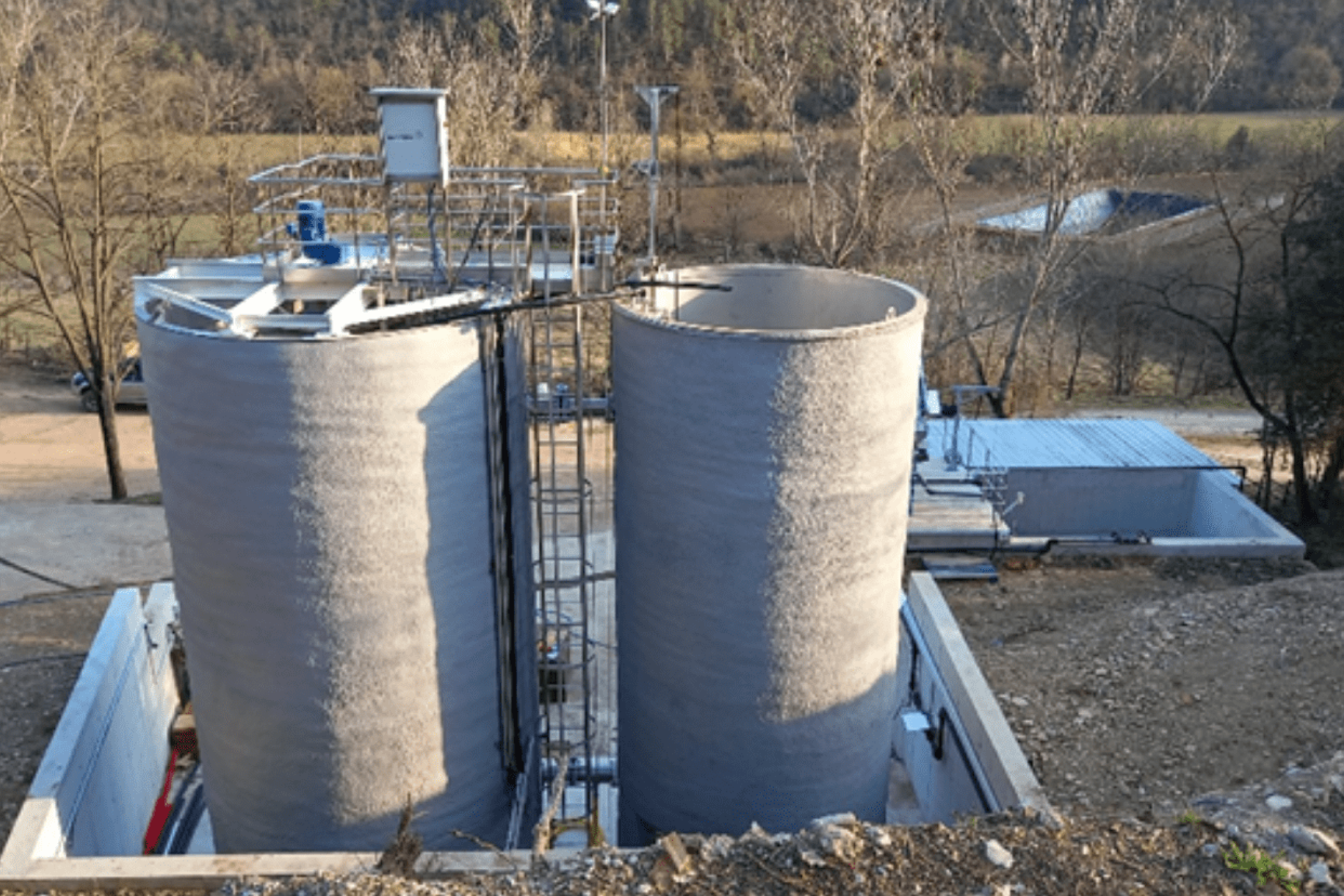
Building a biological plant in Garrotxa for efficient and responsible management of pig waste.

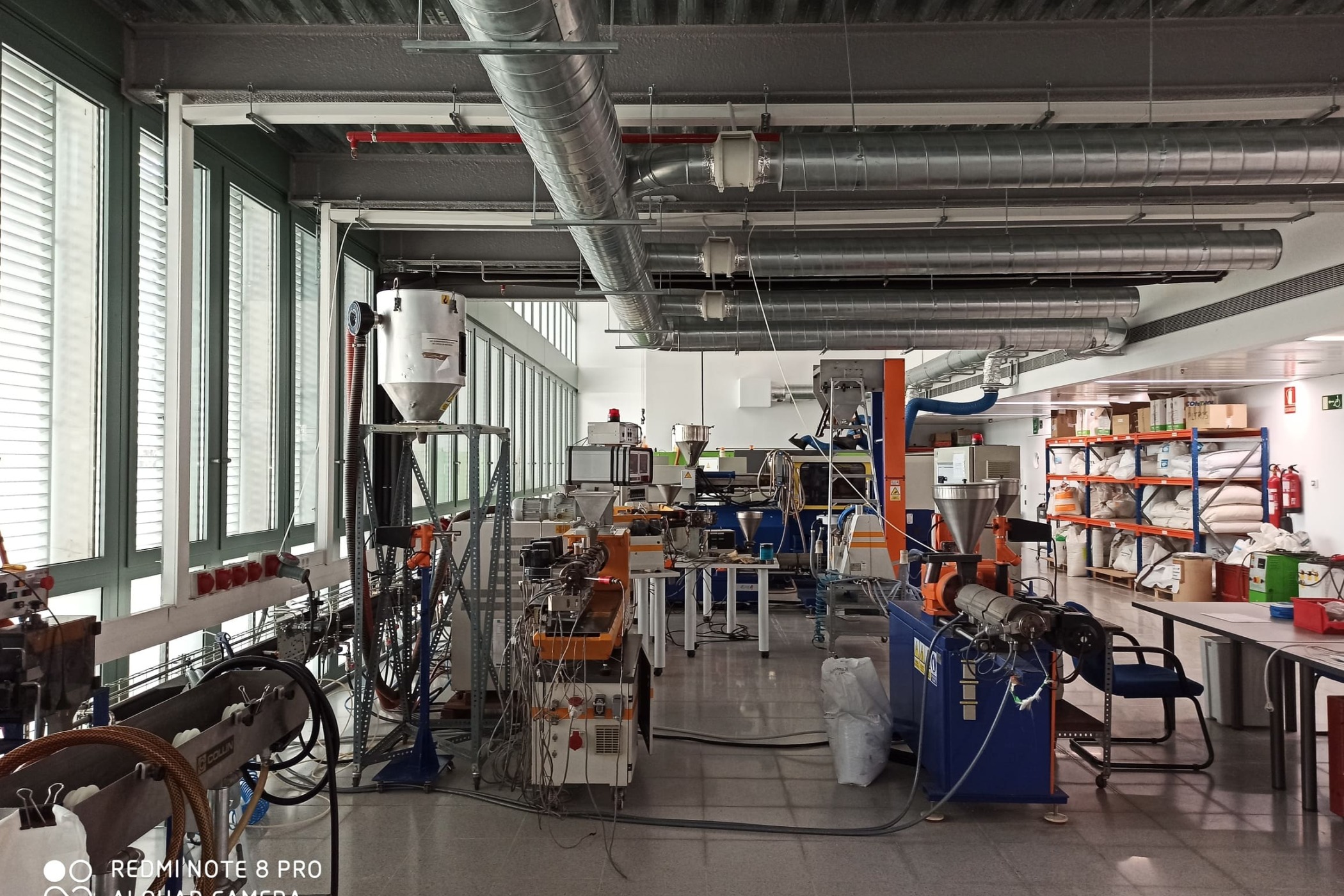
Promoting Innovation: A project for the Relocation of the Catalan Plastic Center to the UPC Diagonal Besòs Campus.

Advisory and Inheritance Management for the Open Arms Foundation.


Comprehensive Project: modern, secure, and sustainable offices


Products

e-gestió
- Free
- 24/7 Service
- Employee Portal


Integral Subscription
- Expert and continuous guidance.
- Tailored to your needs.
- Free online management software.
- No surprises.

RAACPUR | Biological treatment plants for livestock manure.
- Yields certified by official bodies
- Cost reduction
- Comprehensive support
- Easy maintenance
- Subsidised investment


Your Personal Income Tax
- Send the documentation.
- We inform you of the result.
- We process the declaration.


Labour outsourcing
- Improved productivity
- Cost reduction
- Expert advice
Fac 24
- Manage all accounting needs from any device.
- Handle accounting, invoices, and taxes.
- Monitor business progress in a very simple way.
Sustainability
- Environmental consultancy
- Environmental impact
- Climate change management
- Product sustainability
- Corporate sustainability