Together, we achieve goals.
What's your today?
37 resultsNews and articles
Corporate tax instalment payment options in February


Sustainable trends as business opportunities
On September 25, 2015, the United Nations General Assembly approved the 2030 Agenda for Sustainable Development, with objectives including eradicating poverty, fighting inequality and injustice, and halting climate change, among others. This agenda will guide global development action until 2030 and lays out a roadmap for achieving a common goal: worldwide sustainable development.


Sustainability as a lever for economic development
Neologism refers to a newly incorporated word in a language, used to designate a new object or concept that previously did not exist. Some of these words are circumstantial, while others signify shifts in the social, cultural, and economic paradigms of the world around us. Recalling history, words linked to concepts such as suffrage or capitalism have represented new ways of organizing human activity around society.

Selection by values
The COVID pandemic has accelerated many of the changes that were occurring in the labor market. Consumers increasingly demand companies that are more committed to the environment, to the welfare of their workers, to promoting a balance between personal and professional life, and to social causes. It has been socially responsible companies with a clear purpose that have truly emerged strengthened from this situation.


Manure in Catalonia and Anoia
In July 2019, Decree 153/2019 on the management of soil fertilization and livestock manure was approved. This Decree aims, among other things, to organize and respond to the problem of manure in Catalonia.


Is equality in the company a reality yet?
Our society is increasingly aware of issues related to equality. As a result, both the administration and workers are demanding more procedures and mechanisms from organizations to guarantee equal treatment and opportunities, and non-discrimination based on sex, sexual orientation, gender identity, or gender expression.

Criminal compliance in Spain: 10 years after the reform of the Criminal Code
Criminal compliance has become a key issue for companies in Spain. Since the reform of the Criminal Code in 2015, legal entities can be held criminally liable for crimes committed by their managers or employees.


How to pay less income tax in your 2025 tax return: practical steps
If you want to pay less income tax next year, you still have time. The decisions you make before 31 December can have a direct impact on your 2025 tax return.
Here are the three most effective strategies for reducing your tax bill in a completely legal and optimised way.


Legislative news
Law 9/2025 on Sustainable Mobility.
The 2025 Law requires companies to rethink workplace mobility, improving accessibility, sustainability, and the management of employee commuting.
Directiva (UE) 2025/1892
The directive amends Directive 2008/98/EC on waste to establish binding targets for reducing food waste and to extend the extended producer responsibility to the textile, footwear, and related product sectors, promoting reuse, separate collection, and fibre recycling.
Order TES/1573/2025: New update of the annexes of the Register of Collective Agreements and Equality Plans (REGCON)
Royal Decree 1065/2025 on training contracts
Royal Decree 1065/2025, of 26 November, develops the training contract regime provided for in Article 11 of the Workers' Statute. This regulation specifies the conditions, rights and obligations that both companies and workers must respect, with the aim of reinforcing the educational and professional value of this type of contract.
Resolution of 17 October: Public holidays in Spain for 2026
BOE 259 of 28 October. Publication of the list of public holidays for 2026.
Approved the development of Mecanisme RED for businesses
The Royal Decree 608/2023, of July 11th, will enable companies to request measures for reducing working hours and suspending employment contracts. It also introduces significant changes in the regulations for collective dismissals.
People
Oriol Marín i Peña

Anna Aguilar Ruiz-Ruano

Laia Ruiz i Santjoan

Miquel Adrio i Pérez

Gemma Solà i Sogas

Anna Masramon i Taña

Abril Garcia Salvador

Judit Prats Turell

Projects
Ensuring Efficient Labour Management for a Leading Company in the Industrial Sector


Comprehensive Labour Management for the Igualada Sociosanitary Consortium: A Commitment to Care Quality.


Labour Management for Saving Human Lives.


Private emblematic house

Optimizing Labour Management for an Activity with Significant Seasonal Staff Variations


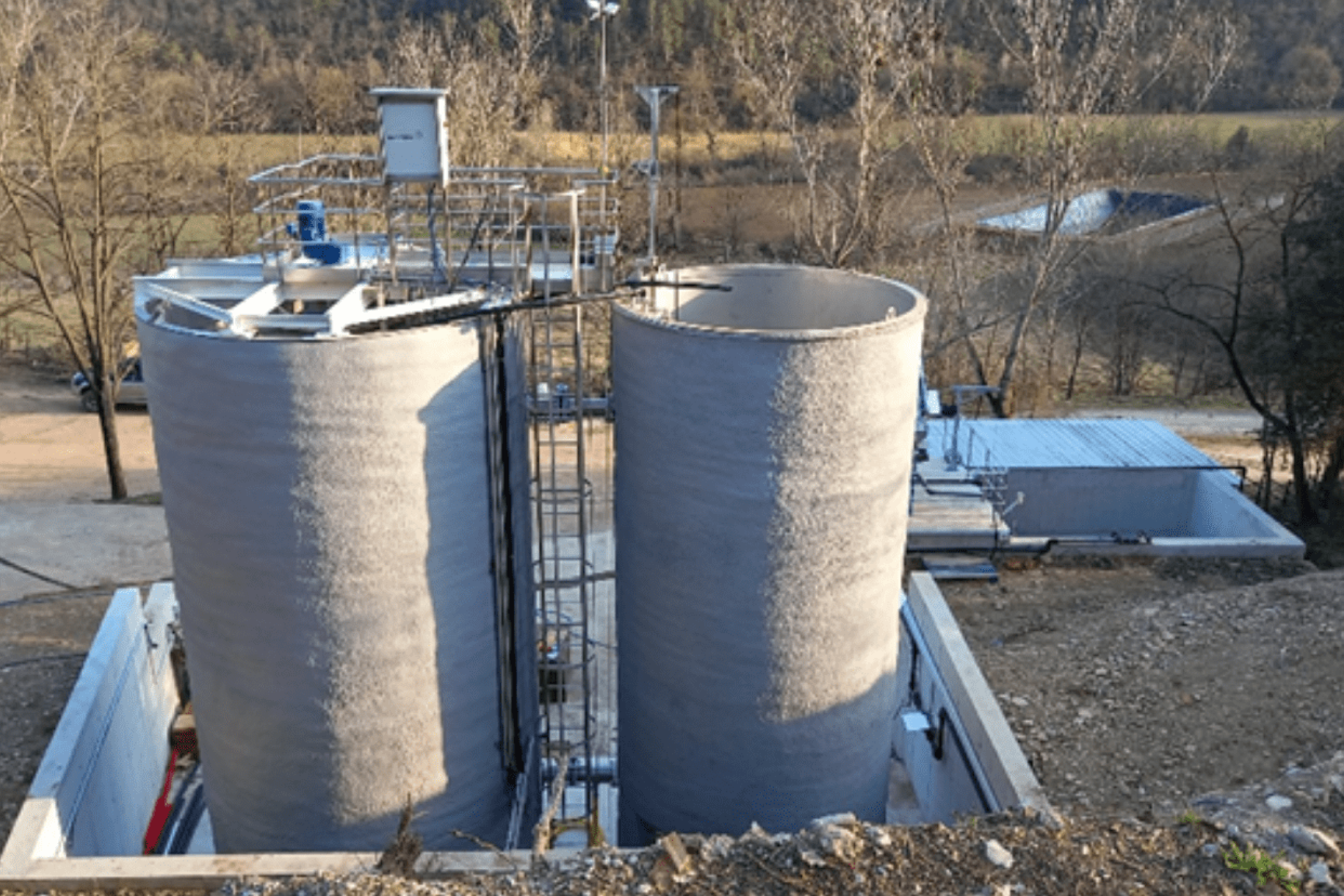
Building a biological plant in Garrotxa for efficient and responsible management of pig waste.

Advisory and Inheritance Management for the Open Arms Foundation.


Diligent defense in a supplementary Inheritance Tax settlement.

Products

e-gestió
- Free
- 24/7 Service
- Employee Portal


RAACPUR | Biological treatment plants for livestock manure.
- Yields certified by official bodies
- Cost reduction
- Comprehensive support
- Easy maintenance
- Subsidised investment

Sustainability
- Environmental consultancy
- Environmental impact
- Climate change management
- Product sustainability
- Corporate sustainability


Integral Subscription
- Expert and continuous guidance.
- Tailored to your needs.
- Free online management software.
- No surprises.

Your Personal Income Tax
- Send the documentation.
- We inform you of the result.
- We process the declaration.


Labour outsourcing
- Improved productivity
- Cost reduction
- Expert advice
Fac 24
- Manage all accounting needs from any device.
- Handle accounting, invoices, and taxes.
- Monitor business progress in a very simple way.