Together, we achieve goals.
What's your today?
25 resultsNews and articles
Water Footprint vs. Water Footprint ISO 14046-2014: Differences
Water is an essential resource for life on earth, but its availability and quality are under pressure due to a number of factors, from climate change to population growth and industrial activity. To understand and address these challenges, two key tools have been developed: the water footprint and the water footprint. Although both are related to water use, they differ in their approach and application.


The 3 scopes of the carbon footprint
When referring to the carbon footprint of an organisation and the emission sources that are analysed in its calculation, we refer to the concepts of Scope or Category (depending on the calculation method used: GHG Protocol or ISO 14064-1- respectively).

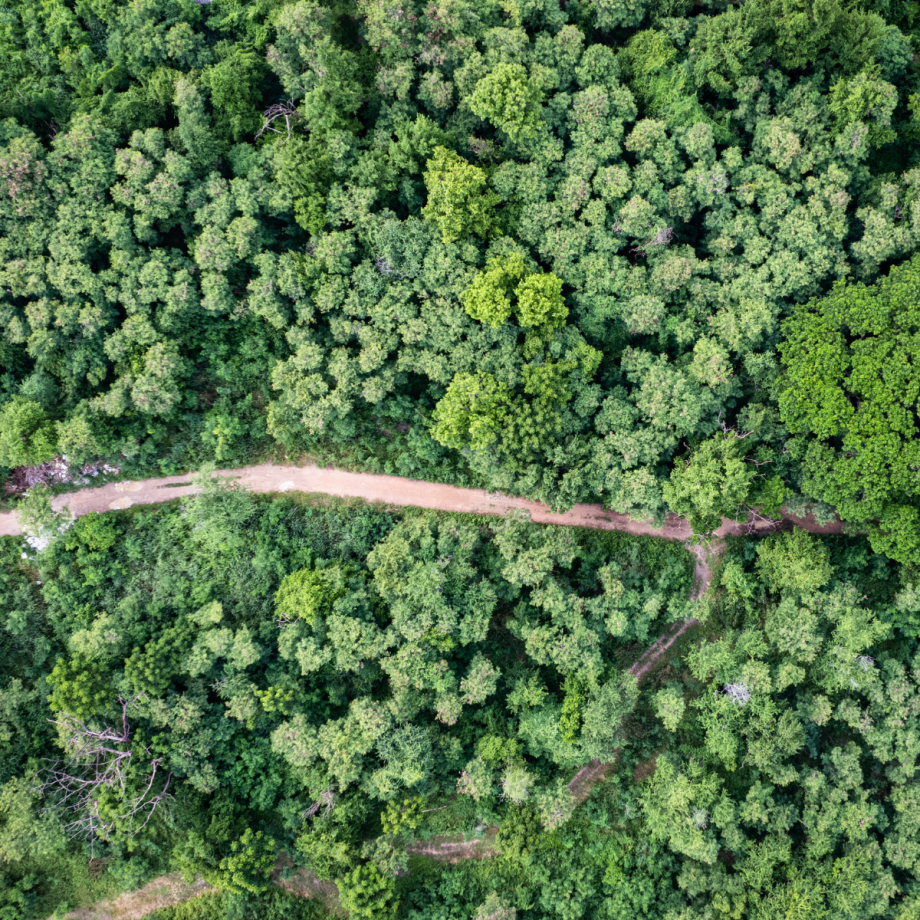
New Directive 2025/1892 on Waste (EU): key points and impact on businesses

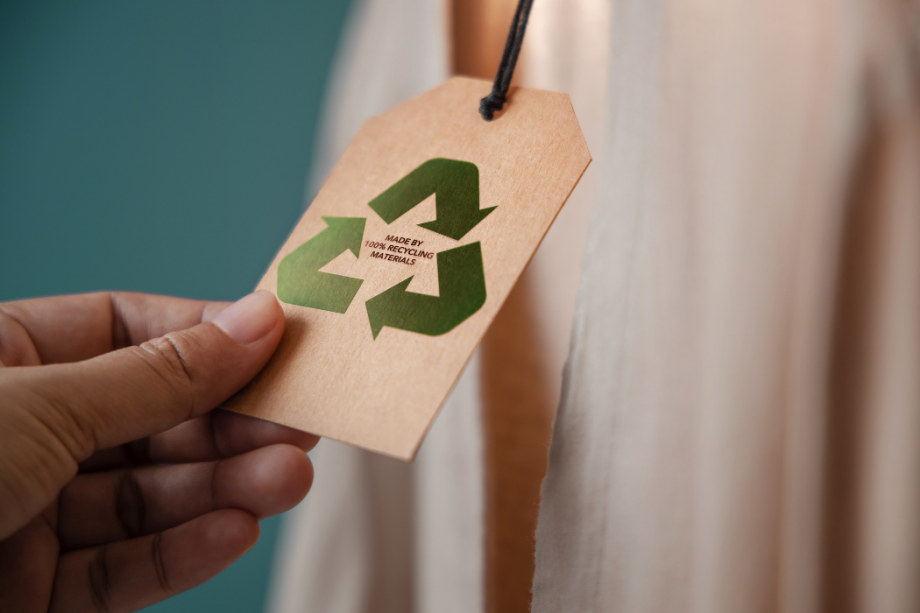
Methods to calculate the carbon footprint
There is a wide variety of standards and methodologies for calculating the carbon footprint at international level, as is evident from the reports of the European Commission.

CBAM: A crucial tool in the fight against climate change
CBAM, or Carbon Border Adjustment Mechanism, is an initiative that applies tariffs to imports based on the carbon emissions associated with the products. This mechanism seeks to prevent carbon leakage by ensuring that imported goods meet the same environmental standards as locally produced goods.

Life Cycle Analysis (LCA)
In an increasingly environmentally conscious world, companies and organisations are looking for ways to reduce their environmental impact. Life Cycle Assessment (LCA) is a fundamental tool for this purpose, as it allows the environmental impacts associated with a product, process or activity to be assessed throughout its entire life cycle.
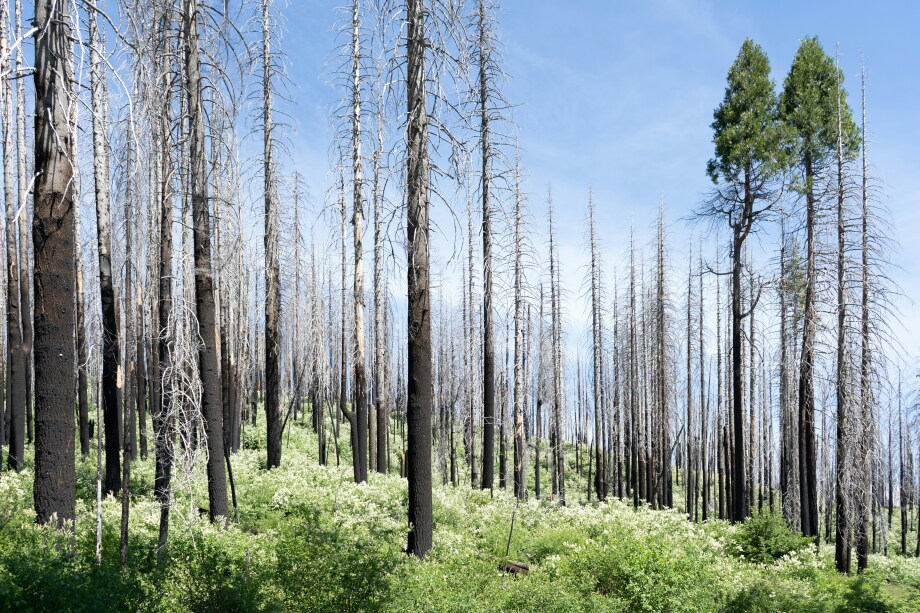
Registration in the CBAM transitional registry
As the European Union (EU) steps up its climate efforts, concerns are rising about carbon leakage, a phenomenon whereby companies move carbon-intensive production outside the EU to avoid strict climate policies. In response, the EU has implemented the Carbon Border Adjustment Mechanism (CBAM), a tool designed to put a fair price on carbon and encourage cleaner practices globally.

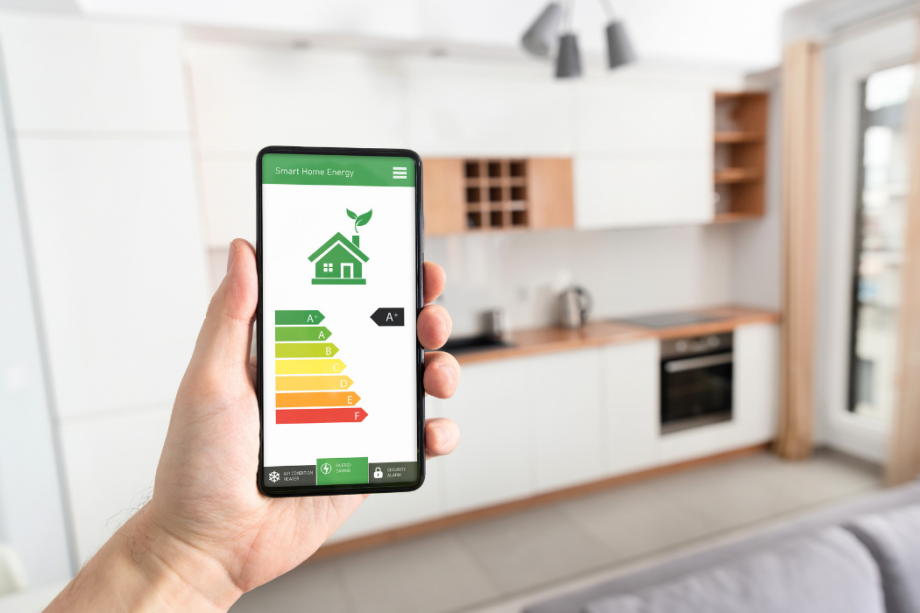
Energy certificate: how to obtain it and why it is key for your property
The energy efficiency certificate is an official document that is mandatory in Spain in order to sell or rent a home or commercial premises. But it is not just an administrative requirement: the energy certificate has become a key tool for improving the energy efficiency of a property, reducing consumption and increasing its market value.

Legislative news
Law 9/2025 on Sustainable Mobility.
The 2025 Law requires companies to rethink workplace mobility, improving accessibility, sustainability, and the management of employee commuting.
Directiva (UE) 2025/1892
The directive amends Directive 2008/98/EC on waste to establish binding targets for reducing food waste and to extend the extended producer responsibility to the textile, footwear, and related product sectors, promoting reuse, separate collection, and fibre recycling.
People
Ricard Carles i Santacana
Cristina Domínguez i Santos
Lara Escudé i Rojas

Joan Vilà Orra

Judit Pelegrina Barcons

Rosana Isasi Martínez
Projects
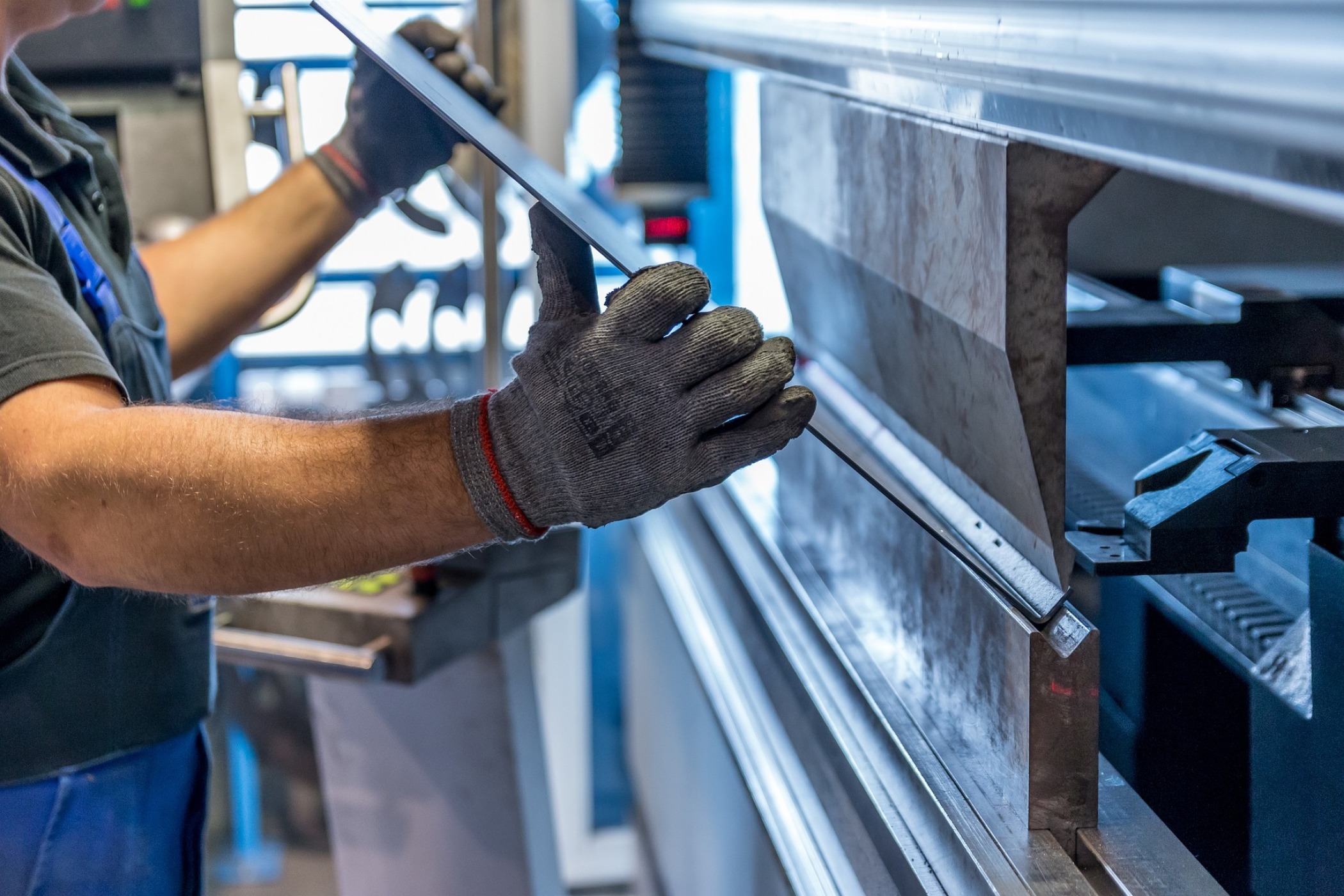
Analyzing Sustainability in the Metallurgical Sector.

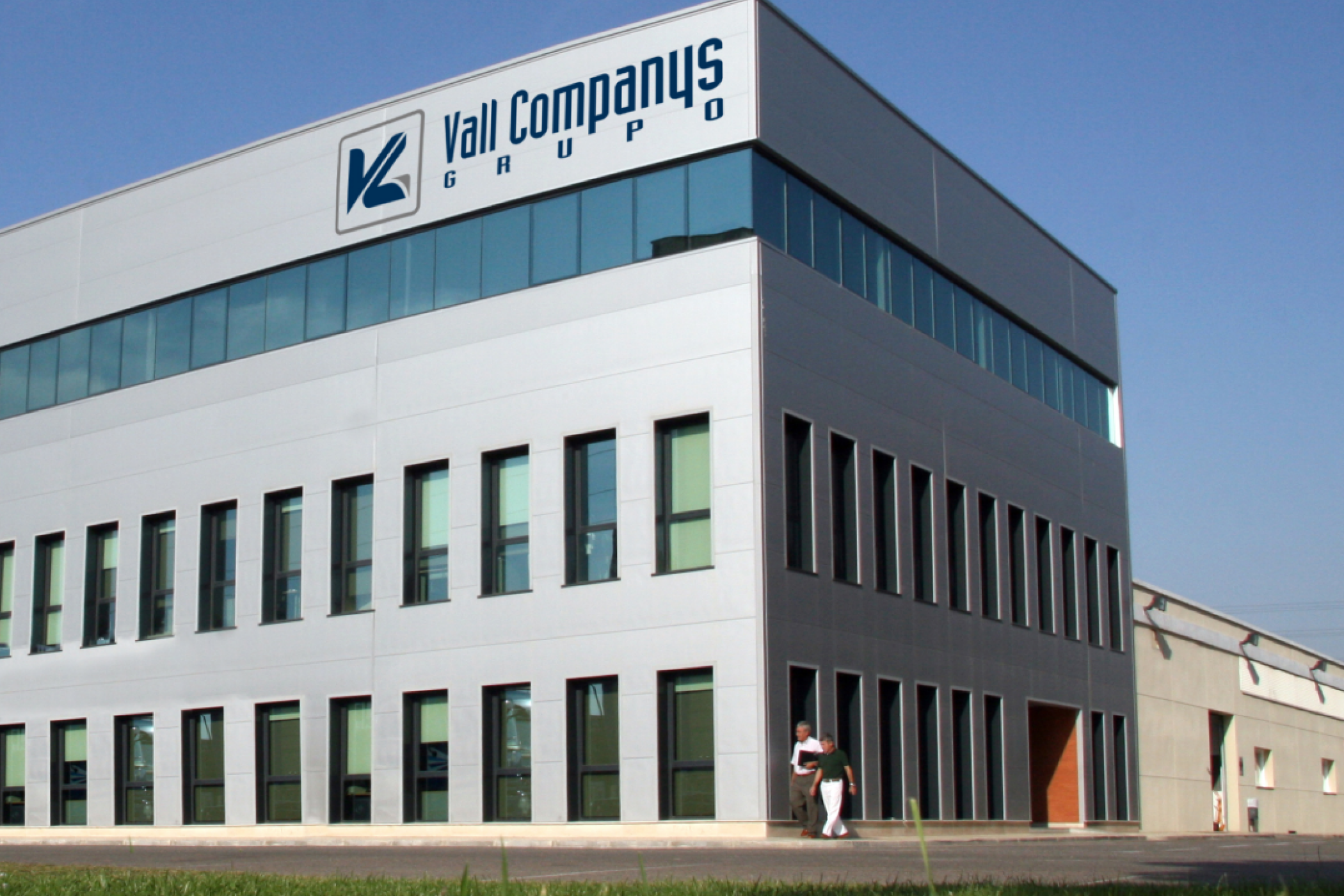
Making Major Expansion Projects a Reality in Huesca

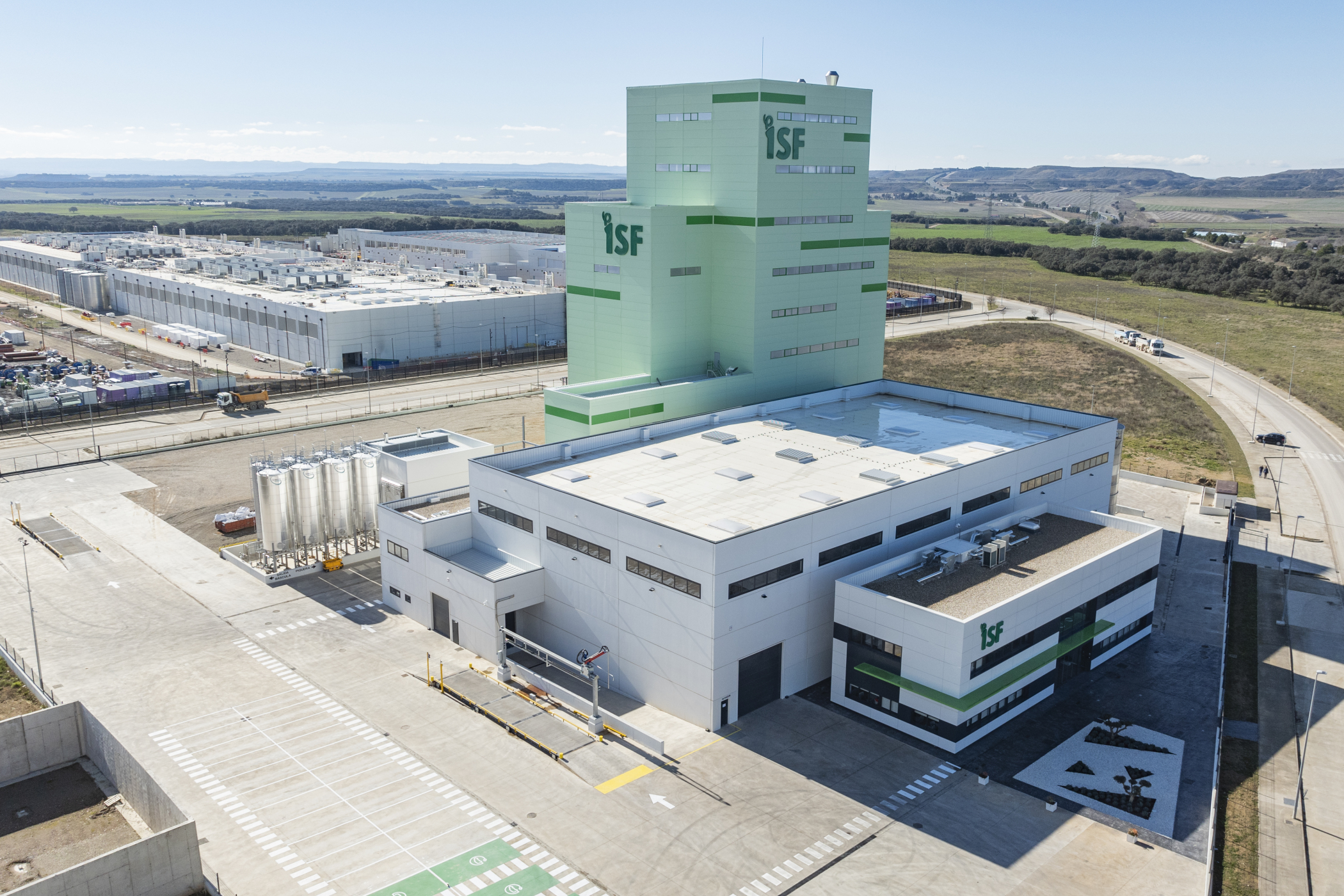
Engineering and sustainability; designing the future of agri-food complexes

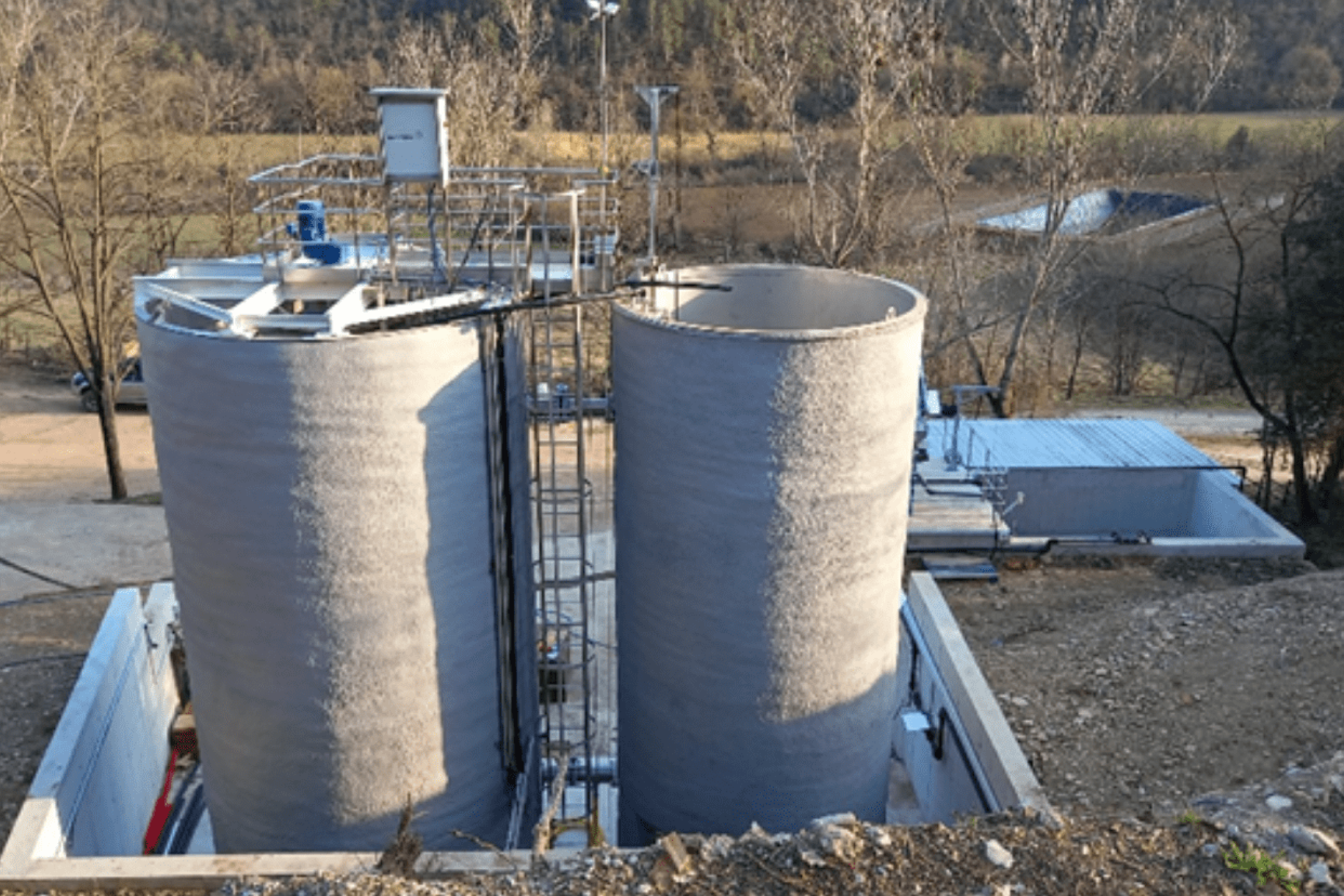
Constructing a biological treatment plant.

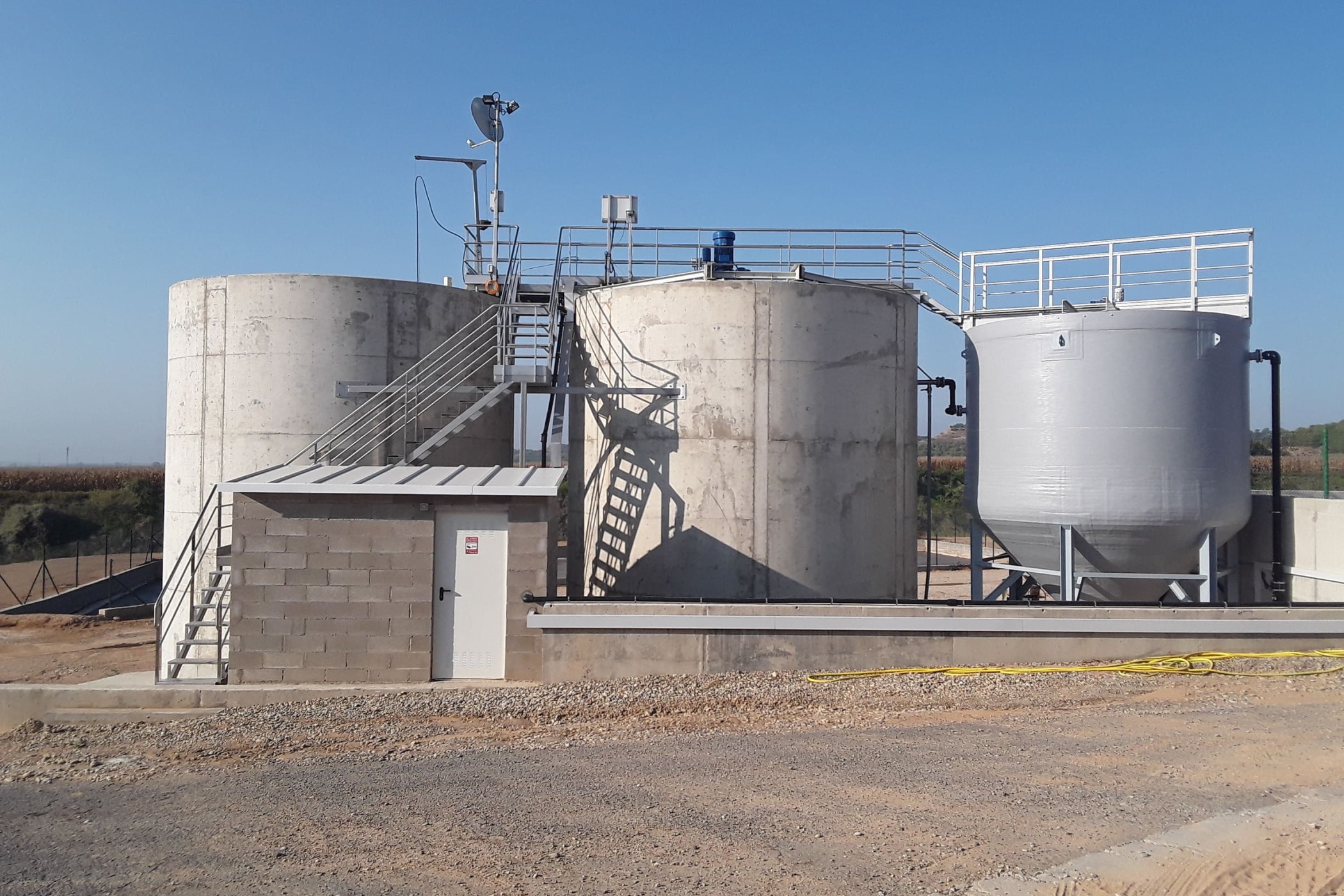
Building a Biological Treatment Plant that Transforms Pig Manure into Organic Fertilizer for Sustainable Cultivation

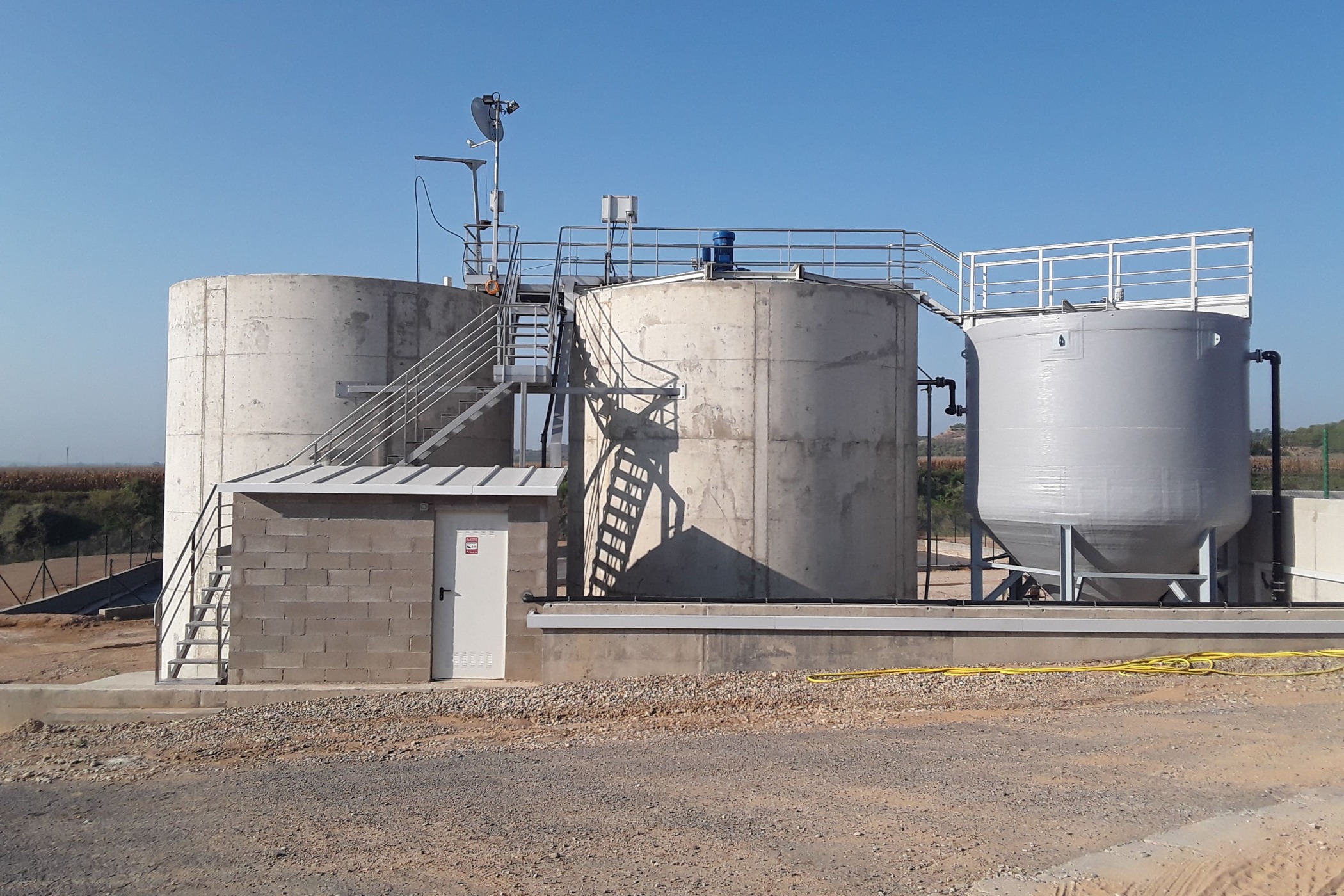
Building a biological plant in Garrotxa for efficient and responsible management of pig waste.

Promoting innovation and financial support in the wine industry.


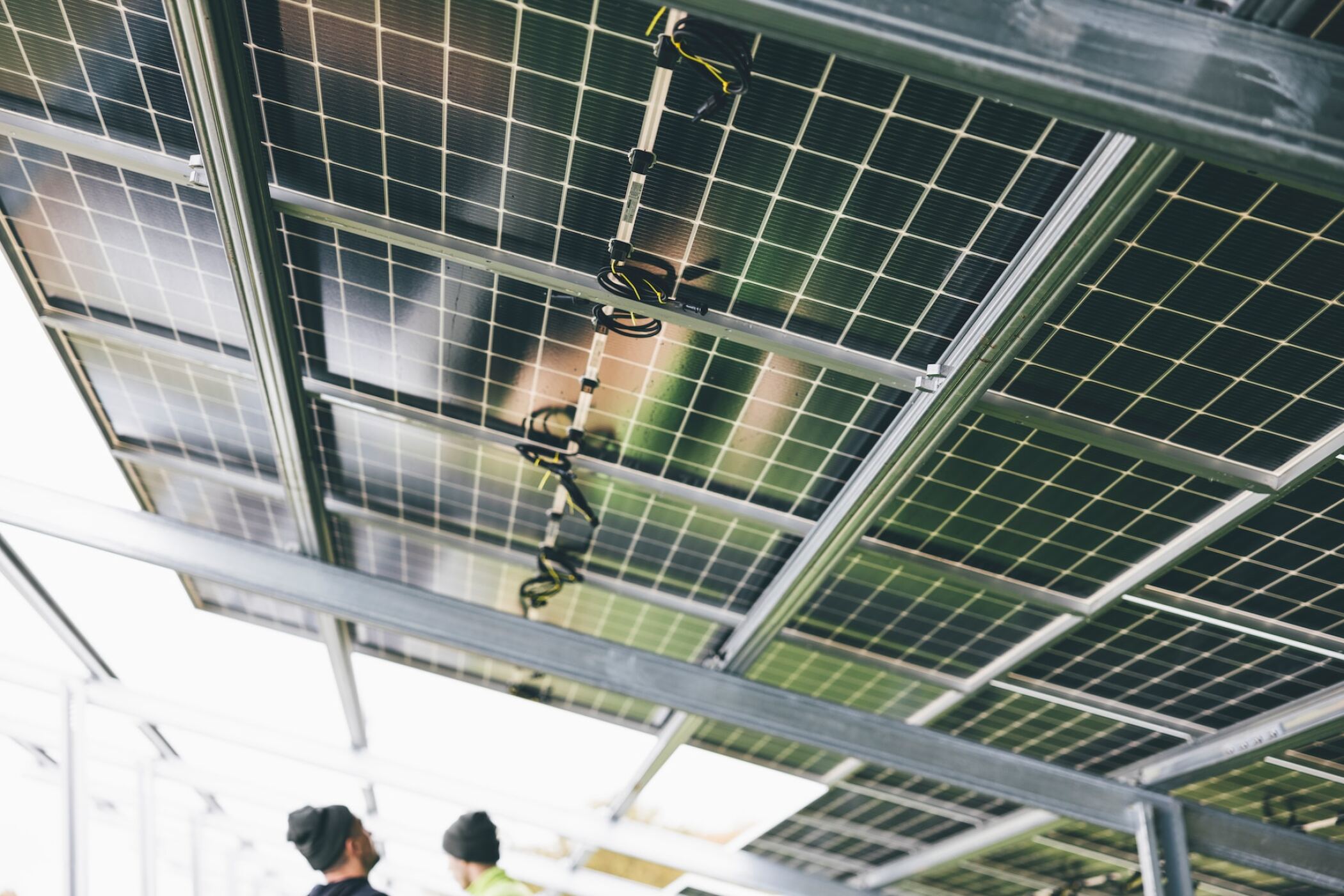
Together with research by designing pioneering hydrogen and photovoltaic research laboratories

Products
Sustainability
- Environmental consultancy
- Environmental impact
- Climate change management
- Product sustainability
- Corporate sustainability