Energy certificate: how to obtain it and why it is key for your property
Housing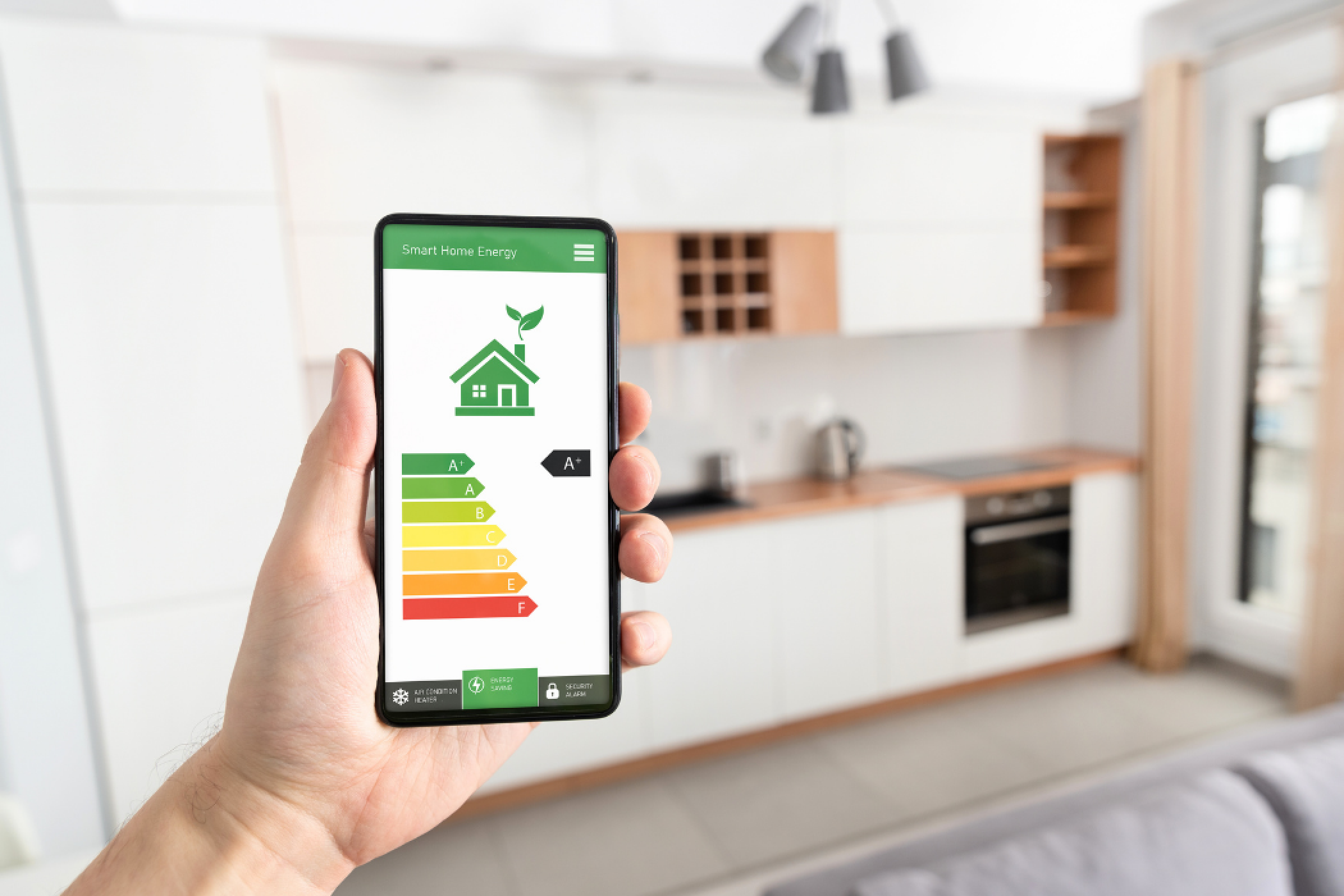
The energy efficiency certificate is an official document that is mandatory in Spain in order to sell or rent a home or commercial premises. But it is not just an administrative requirement: the energy certificate has become a key tool for improving the energy efficiency of a property, reducing consumption and increasing its market value.
In this article, we explain what the energy certificate is, how to obtain it and how long it is valid for, as well as the consequences of not having one.
What is the energy certificate?
The energy efficiency certificate (EEC) assesses the energy consumption and CO₂ emissions of a property and assigns it a rating.
This classification ranges from A (most efficient) to G (least efficient) and provides information on the estimated consumption of heating, cooling and domestic hot water, as well as the quality of insulation, windows and air conditioning systems.
With the latest regulatory updates, the energy certificate is also required for mortgage appraisals. Banks and appraisal companies cannot complete valid reports without a valid EPC, which can delay or block sales and financing processes.
How do you obtain an energy certificate?
To obtain an EPC, you must contact a qualified accredited technician (architect, engineer or authorised professional), who must visit the property in person to analyse:
- The type and condition of the building envelope.
- Thermal bridges and the quality of the building envelope.
- Insulation thicknesses and materials.
- Air conditioning systems.
- Orientation, shadows and environmental conditions.
- Renovations or modifications not reflected in the land registry.
Once issued, the certificate must be registered with the competent regional authority. In Catalonia, this procedure is carried out electronically through the ICAEN.
The energy rating must appear in all sales or rental advertisements.
Validity and renewal
The energy certificate is valid for 10 years, provided that no significant modifications affecting energy efficiency are made (change of heating systems, improvements in insulation, etc.).
Exceptionally, properties with a G rating may require renewal every 5 years to encourage efficiency improvements.
Penalties for not having an energy certificate
Not having a valid energy certificate can lead to fines and administrative problems:
- Minor offences. Not mentioning the rating in advertisements or not updating the documentation.
- Serious offences. Selling or renting without a registered certificate or failing to submit it to the relevant authority.
- Very serious offences. Falsifying data, issuing certificates with false information or advertising an unregistered rating.
Having an energy certificate is an investment in efficiency, sustainability and profitability.