Together, we achieve goals.
What's your today?
17 resultsNews and articles
Skills Development in the Digital Age: Learning to Survive
We live in a time of rapid change, where artificial intelligence, automation and digitalisation are transforming jobs and the skills we will need to perform them.
In this context, training is no longer an added benefit: it is a strategic necessity.

Retaining young talent: beyond salary
The employment paradigm is changing radically. The younger generations—especially millennials and Generation Z—no longer seek only stable employment: they want to live well, have time for themselves, and devote themselves to meaningful projects.

The onboarding process, key in talent retention
The onboarding process or welcome program is a set of activities that a company carries out with the aim of integrating a new employee into its culture, values, and operations.

Trends in people management in 2026
In recent years, we have seen how people management has ceased to be a purely administrative function and has become a key strategic element for the competitiveness and growth of organisations.

Inflation and compensation: towards more flexible and humane models
In recent years, an undeniable reality has come to light: the sustained increase in the cost of living and inflation have a direct impact on workers' daily lives. Housing, energy, food and transport are just some of the areas where price increases are most noticeable, directly influencing our teams' perception of their remuneration.

Retaining talent is not just a question of salaries; we analyse the case of Anoia
In recent years, the Anoia region has been experiencing a phenomenon that is worrying both businesses and institutions: many people who live there choose to work outside the region, especially in Barcelona and Baix Llobregat.
Traditionally, we have justified this by convincing ourselves that local companies can hardly compete in terms of salaries with those in the metropolitan centre. But reducing everything to a question of money is wrong.
Retaining talent is much more complex, and the key lies in how companies manage people, what work experience we offer and how we project the future within our organisations.

Hybrid working and corporate culture: the challenge of bringing together dispersed teams
Hybrid working has become established in Spain as the preferred working model for employees. According to a study by Randstad (2025), 26% of Spanish professionals want to continue working from home at least three days a week, and this has led to a radical change in the way corporate culture is understood and managed.

The importance of people in Digital Transformation
Digital transformation has become a topic of great relevance in the business world, comparable in importance to the Industrial Revolution in its time. In fact, it is considered the continuation of the history of the industrial revolutions. The first one, 1.0, was the period of mechanization, followed by 2.0, which brought the use of electricity, and 3.0, which marked the era of computing. Now, we are living the Industrial Revolution 4.0, known as the digitalization revolution, where digital transformation is the key element. This revolution is changing the way organizations operate and how people live their lives.

Projects
Optimizing Labour Management for an Activity with Significant Seasonal Staff Variations


Assisting in Protecting Individual Privacy.


Comprehensive Labour Management for the Igualada Sociosanitary Consortium: A Commitment to Care Quality.


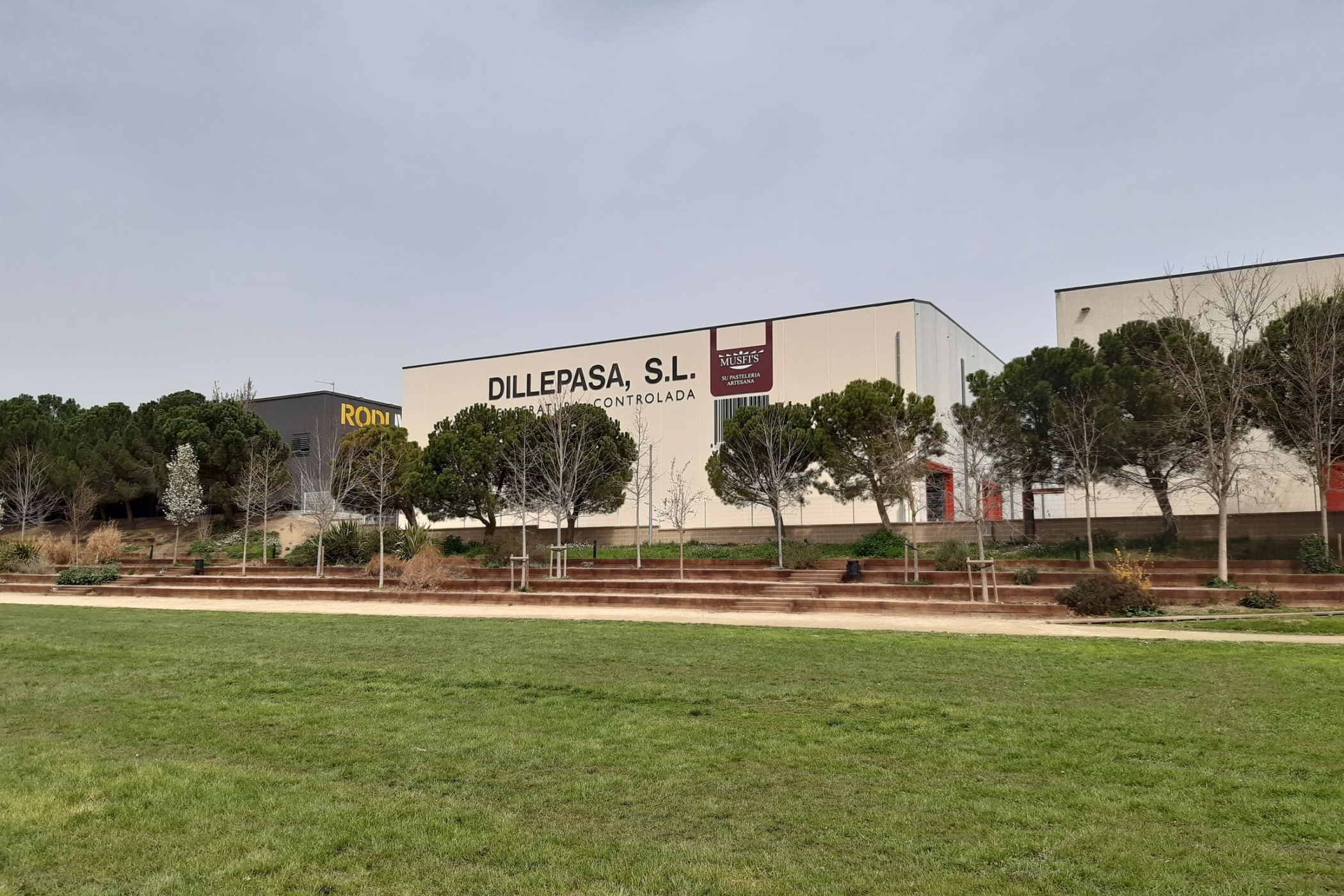
An Innovative Warehouse for Industrial Pastry: Design, Construction, and Guaranteed Energy Efficiency

Ensuring Efficient Labour Management for a Leading Company in the Industrial Sector

Labour Management for Saving Human Lives.


Implementing Equality Plans as an Opportunity to Promote Improvements in Companies


Products

Labour outsourcing
- Improved productivity
- Cost reduction
- Expert advice

RAACPUR | Biological treatment plants for livestock manure.
- Yields certified by official bodies
- Cost reduction
- Comprehensive support
- Easy maintenance
- Subsidised investment
