Together, we achieve goals.
What's your today?
35 resultsNews and articles
Regulation of light pollution and energy efficiency in outdoor lighting in Spain and Catalonia
The regulation of light pollution and energy efficiency in outdoor lighting are key elements in reducing environmental impact and protecting the night-time environment.


Water Footprint vs. Water Footprint ISO 14046-2014: Differences
Water is an essential resource for life on earth, but its availability and quality are under pressure due to a number of factors, from climate change to population growth and industrial activity. To understand and address these challenges, two key tools have been developed: the water footprint and the water footprint. Although both are related to water use, they differ in their approach and application.

The 2024 environmental inspection calendar in Catalonia is approved
The Government of Catalonia, through the Department of Climate Action, Food and Rural Agenda, demonstrates a strong commitment to sustainability and environmental monitoring with the approval of the new Integrated Environmental Inspection Programme for the year 2024.


Breaking down the Voluntary CSRD Modules: A Tool for Sustainable SMEs
In this article, we will explore in detail the different modules of the voluntary CSRD and how SMEs can use them to strengthen their commitment to sustainability.


Benefits of sharing lunches with colleagues
In today's bustling work world, where time becomes a scarce resource, the idea of going out for lunch with colleagues might seem like a luxury or even an unnecessary distraction. However, this practice has significant benefits that go beyond merely satisfying hunger.


Probation Period in Employment Contracts: What You Need to Know
The probation period is an initial stage of the employment relationship where both the employer and the employee can terminate the contract without notice, justification, or compensation. This clause, set out in writing in the contract, allows both parties to assess whether the initial expectations match the actual work environment.


The publication of Royal Decree-Law 3/2026: regarding revaluation of pensions and new measures for Social Security.
Royal Decree-Law 3/2026, of February 3, approved by the Spanish Government, establishes the official revaluation of public pensions for 2026 and introduces a set of urgent measures in the area of Social Security. This decree consolidates many of the new developments that we already outlined in our January 11 article “Pensions and contributions 2026: main changes,” with definitive details on contribution rates, maximum and minimum bases, and special assistance for workers and companies.

Minimum Interprofessional Salary 2026: official update and practical implications
On February 18, 2026, Royal Decree 126/2026 was published in the Official State Gazette, setting the new Minimum Interprofessional Salary (SMI) for 2026 and expressly regulating the compensation and absorption regime on an annual basis.
The regulation establishes a minimum wage of €1,221 gross per month in 14 payments, with retroactive effect from January 1, and requires companies to review payrolls and salary structures in accordance with legal criteria.


Legislative news
Law 9/2025 on Sustainable Mobility.
The 2025 Law requires companies to rethink workplace mobility, improving accessibility, sustainability, and the management of employee commuting.
Directiva (UE) 2025/1892
The directive amends Directive 2008/98/EC on waste to establish binding targets for reducing food waste and to extend the extended producer responsibility to the textile, footwear, and related product sectors, promoting reuse, separate collection, and fibre recycling.
Order TES/1573/2025: New update of the annexes of the Register of Collective Agreements and Equality Plans (REGCON)
Royal Decree 1065/2025 on training contracts
Royal Decree 1065/2025, of 26 November, develops the training contract regime provided for in Article 11 of the Workers' Statute. This regulation specifies the conditions, rights and obligations that both companies and workers must respect, with the aim of reinforcing the educational and professional value of this type of contract.
Resolution of 17 October: Public holidays in Spain for 2026
BOE 259 of 28 October. Publication of the list of public holidays for 2026.
Approved the development of Mecanisme RED for businesses
The Royal Decree 608/2023, of July 11th, will enable companies to request measures for reducing working hours and suspending employment contracts. It also introduces significant changes in the regulations for collective dismissals.
People
Emma Méndez i Cortés

Martí Pinyol i Illa

Quim Carles i Santacana

Sílvia Priego i Rodríguez

Jordi Pérez i del Ojo

Ester Ferrera i López
Judit Pelegrina Barcons

Sofia Sancho Blaya

Projects
Our service to business activity provides a close perspective to companies


Specialized consultancy for a multinational company

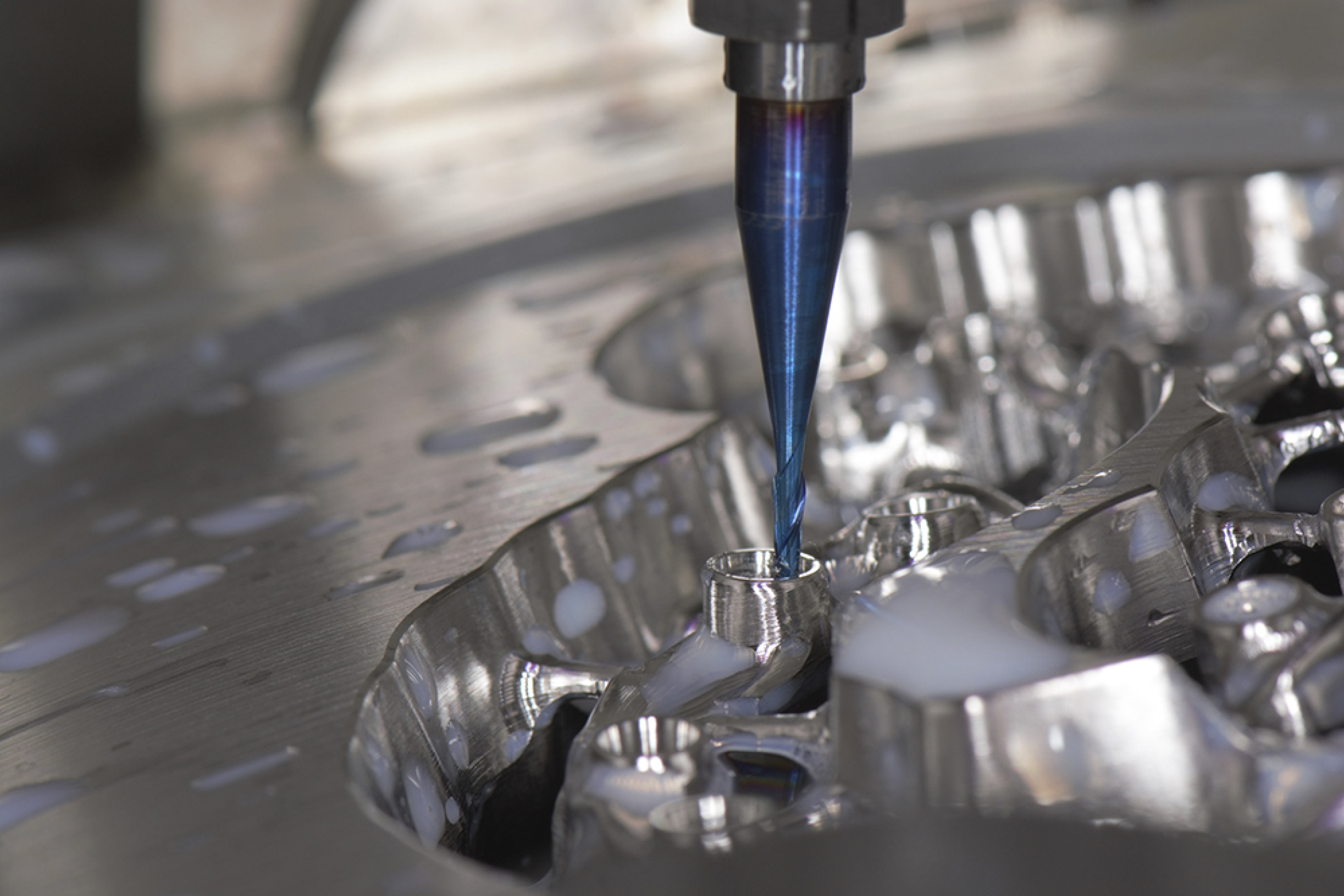
Designing urban planning and engineering services for the non-woven fabric industry.

Tax Optimization: Creating Efficient Corporate Structures

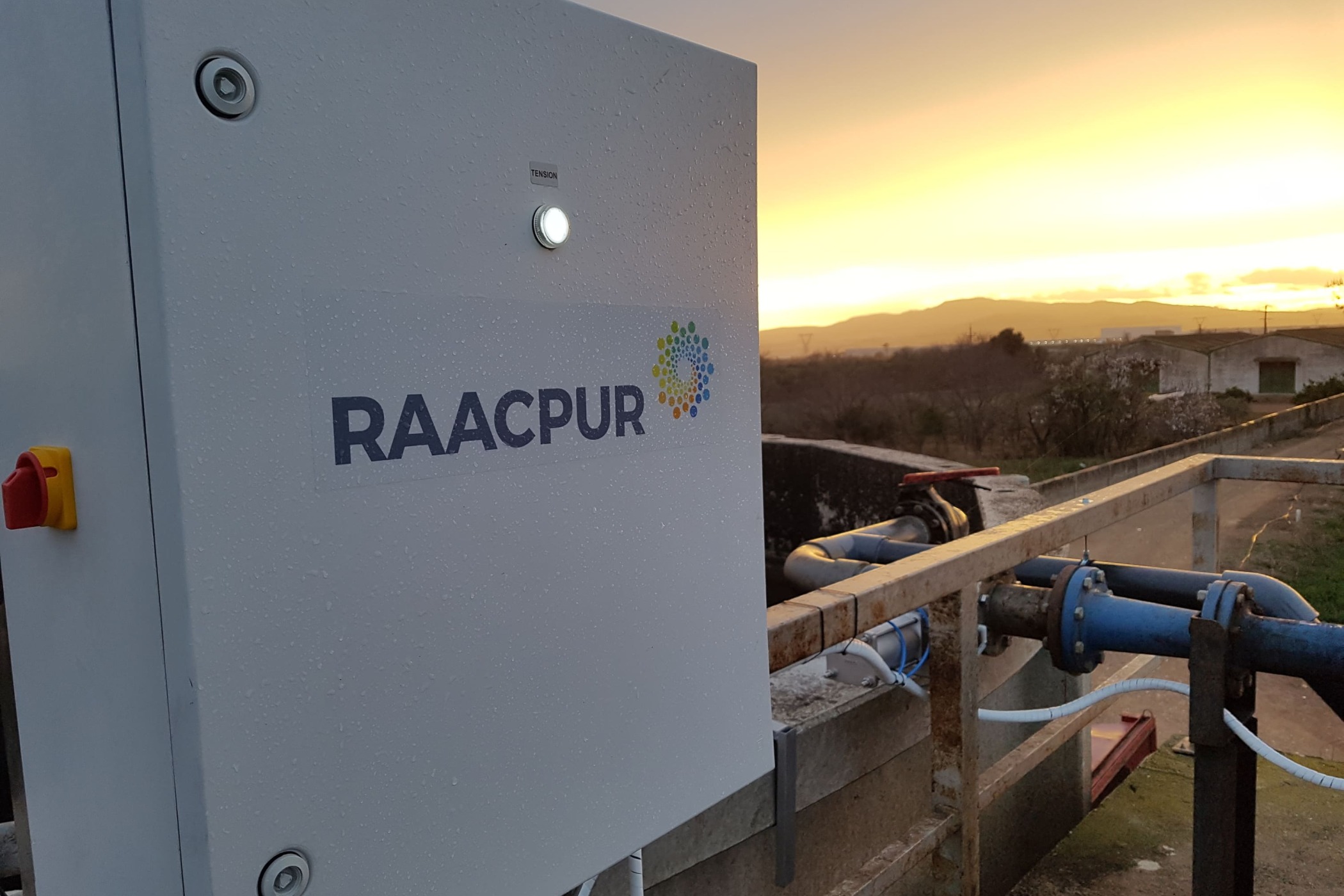
Improving the efficiency of a biological plant in Tarragonès

Implementing Equality Plans as an Opportunity to Promote Improvements in Companies


Products

e-gestió
- Free
- 24/7 Service
- Employee Portal


RAACPUR | Biological treatment plants for livestock manure.
- Yields certified by official bodies
- Cost reduction
- Comprehensive support
- Easy maintenance
- Subsidised investment

Sustainability
- Environmental consultancy
- Environmental impact
- Climate change management
- Product sustainability
- Corporate sustainability


Integral Subscription
- Expert and continuous guidance.
- Tailored to your needs.
- Free online management software.
- No surprises.

Your Personal Income Tax
- Send the documentation.
- We inform you of the result.
- We process the declaration.


Labour outsourcing
- Improved productivity
- Cost reduction
- Expert advice
Fac 24
- Manage all accounting needs from any device.
- Handle accounting, invoices, and taxes.
- Monitor business progress in a very simple way.