Prices and access to housing: this is what the residential market will look like in 2026
Housing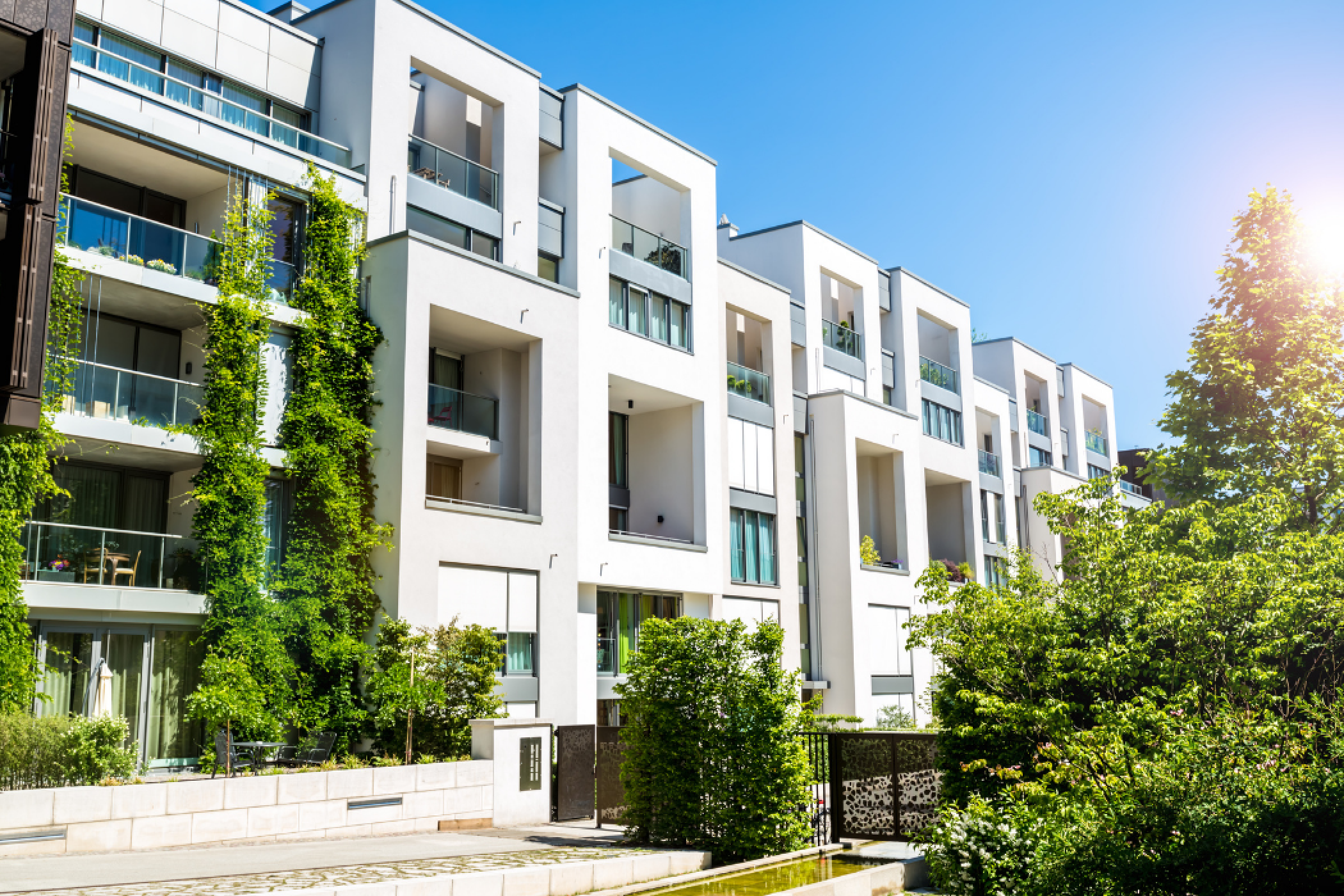
The housing market faces 2026 with prices continuing to rise and access becoming increasingly difficult for many buyers and tenants.
After record increases in 2025, forecasts indicate that both purchase and rental prices will continue to rise, albeit more moderately, in a context of scarce supply, high demand and strained market structures.
In addition, regulatory uncertainty, regulatory processes and administrative restrictions continue to fuel the tension between supply and demand.
Price trends for 2026
At the end of 2025, the average price of housing stood at around €2,091 per square metre, with increases of up to 10% in urban areas.
Forecasts point to increases of between 3% and 7% depending on the region and type of housing. Stable demand and supply shortages continue to drive prices.
Factors affecting the market
- Supply shortages. The lack of available housing, especially new builds, continues to fall short of meeting the accumulated demand of recent years, with structural deficits maintaining upward pressure.
- High demand. Both buyers and investors continue to be present in the market: on the one hand, young people looking to get onto the property ladder and, on the other, foreign buyers who are adding to the pressure.
- Difficulties in accessing the market. The combination of high prices, stagnant wages and the need for high levels of savings to access a home makes it increasingly difficult for many people to buy a home.
- Effect of new laws and regulations. Uncertainty and regulatory changes (including price controls in areas under pressure and new obligations for landlords) are causing some owners to keep their properties off the market.
Impact on buyers and tenants
- Home purchase. Sustained increases mean that buying a home remains out of reach for many, especially young people and families with moderate incomes.
- Rental market. Rental prices also continue to rise, in some cases above the 2025 average. Access to housing will become more difficult, with particularly significant increases in capital cities and coastal areas.
- Regional differences. Both in terms of purchase and rent, price trends are not uniform: urban and tourist areas are seeing more intense increases, while peripheral municipalities or less sought-after regions are showing more moderate increases.
Market insight 2026
In short, affordable new-build homes will remain scarce, with particularly high demand among young buyers and professionals.
There is also clear segmentation, with increasingly tense areas (large cities and the coast) and peripheral areas with more moderate increases.
2026 will be a year in which housing prices will continue to rise, albeit at a slower pace than in previous years.
The shortage of supply and strong demand will continue to make it difficult to buy or rent, especially for lower-income groups:
- For buyers and tenants, this means preparing in advance and considering alternative strategies in a market that remains highly competitive and under pressure.
- For owners and investors, opportunities may arise with proper planning and diversification, especially in less pressured segments and areas.