Together, we achieve goals.
What's your today?
8 resultsNews and articles
Criminal compliance in Spain: 10 years after the reform of the Criminal Code
Criminal compliance has become a key issue for companies in Spain. Since the reform of the Criminal Code in 2015, legal entities can be held criminally liable for crimes committed by their managers or employees.


Deposits Vs down payments: A dangerous confusion
There are few legal terms as casually used as these two. Not surprisingly, they are often incorporated as "almost-standard" clauses in thousands of sales contracts, without realizing the legal and economic consequences that the inclusion of one term or the other may entail for the signatories.


Practical guide to applying the Catalonia Accessibility Code in your spaces and buildings
The Catalonia Accessibility Code, regulated by Decree 209/2023 of 28 November, implements Law 13/2014 on accessibility and establishes the technical requirements that buildings, public spaces and homes must meet throughout Catalonia.
This regulation does not only affect new construction. It also directly affects renovations, refurbishments and existing buildings, especially in homeowners' associations and residential buildings.


Re-invoicing utilities to tenants: VAT, withholdings and passed-on expenses
When a landlord re-invoices utility costs or taxes to a tenant, questions often arise about VAT and withholdings: should VAT be applied to water or electricity? Are they part of the rental base? Does it depend on whether it is a residential property or commercial premises?


When a poorly conducted locker search can invalidate a disciplinary dismissal
Searches of employees' lockers, bags or personal belongings are a tool that many companies use when they suspect irregularities such as theft or pilferage. The problem arises when these searches are not conducted properly.


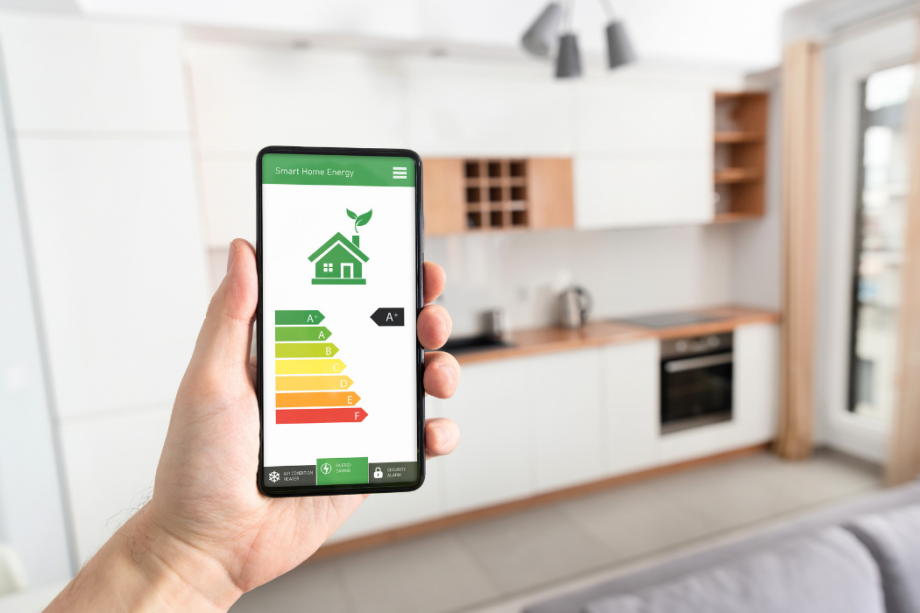
Energy certificate: how to obtain it and why it is key for your property
The energy efficiency certificate is an official document that is mandatory in Spain in order to sell or rent a home or commercial premises. But it is not just an administrative requirement: the energy certificate has become a key tool for improving the energy efficiency of a property, reducing consumption and increasing its market value.

Regulation of seasonal contracts in Catalonia: what will change in 2026
Catalonia is applying new rules for seasonal and room rental contracts, with the aim of protecting residential housing and ensuring greater legal certainty.
The new Law 11/2025, of 29 December, introduces significant changes to the legal framework, including the reform of Law 18/2007 on the right to housing and adjustments to other related regulations.

When does the worker with discontinuous fixed contract have to return to the company?