Practical guide to applying the Catalonia Accessibility Code in your spaces and buildings
Engineering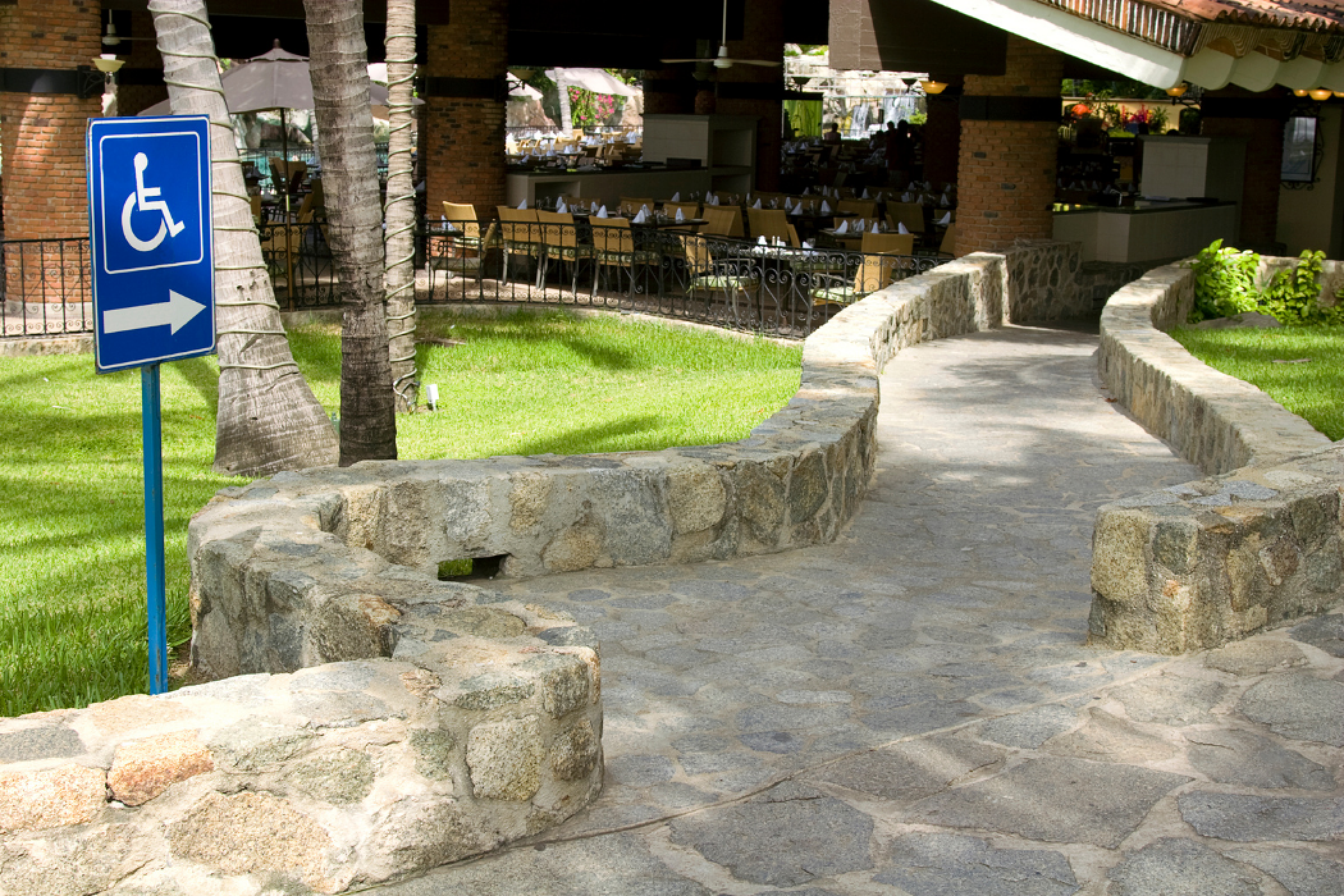
The Catalonia Accessibility Code, regulated by Decree 209/2023 of 28 November, implements Law 13/2014 on accessibility and establishes the technical requirements that buildings, public spaces and homes must meet throughout Catalonia.
This regulation does not only affect new construction. It also directly affects renovations, refurbishments and existing buildings, especially in homeowners' associations and residential buildings.
To facilitate its application, the Department of Social Rights has published official interpretation criteria that resolve practical doubts and help to apply the regulations in a consistent manner.
In this guide, we explain the key points you need to take into account.
Main criteria and practical aspects to consider
Below, we highlight the points that most frequently raise questions and that the Department helps to interpret through its website.
1. Access and ramps
Ramps must ensure safe passage for all people. This includes:
- Appropriate slopes
- Sufficient widths
- Alternative solutions when space is limited
The aim is to ensure an accessible route, even in existing buildings where reasonable adjustments need to be made.
2. Doors, circulation and signage
For a space to be truly accessible:
- Doors must open without difficulty and allow for the turning and passage of technical aids.
- Signage must be clear, visible and easy to interpret (pictograms, contrasts, etc.).
Visual information is particularly important for ensuring physical, sensory and cognitive accessibility, which are central themes of the Code.
3. Common areas and outdoor spaces
The criteria determine which parts must be adapted:
- Corridors and lobbies
- Stairs and landings
- Communal courtyards and terraces
- Access to common services
The aim is to achieve a completely accessible route.
4. Ageing as a key factor
The increase in the number of elderly people means that buildings and spaces must be adapted to make them safe, comfortable and easy to navigate. The Code incorporates this as one of its three major structural challenges, along with new actions and the transformation of the existing environment.
Accessibility in homes and residential buildings (a key area that was missing)
The area of housing is particularly important within the Code, because it is where most practical situations and day-to-day questions arise. For this reason, the interpretation criteria of the Department of Social Rights include specific guidelines for residential buildings, designed to facilitate the application of the Code in both new and existing buildings, where there are often structural limitations that require adapted solutions.
This is particularly relevant in the context of an ageing population, where ensuring autonomy and safety within the home itself becomes a structural social necessity.
What does the Code regulate in housing?
- Accessible route from the street to the door of each dwelling
- Conditions and obligations relating to new or existing lifts
- Requirements for widths, passages and manoeuvres
- Alternative solutions when the building cannot fully comply (very common in older properties)
Progressive adaptation and realistic criteria for properties with structural limitations
Why it is important to apply the Accessibility Code correctly
Adopting the criteria of the Code is not only a legal obligation: it is a direct investment in safety, comfort and quality of life for all people who use the space. Among the main benefits are:
- Safety and comfort for all users, including the elderly, families with children and people with reduced mobility.
- Prevention of legal risks, avoiding penalties or problems arising from poor compliance with regulations.
- Efficient planning of renovations and construction work, minimising unforeseen events and ensuring viable solutions.
- Progressive adaptation to social challenges, such as the ageing population, one of the three main objectives of the Code according to the Department of Social Rights.
How we can help you at Grup Carles Enginyeria
As a specialist engineering firm, we accompany you through every stage of the process:
- Complete diagnosis of your buildings, spaces and homes
- Proposals for efficient technical solutions in line with the Code
- Planning and construction management
- Ongoing advice to ensure regulatory compliance and safety
- Support with specific queries based on the official criteria of the Department of Social Rights
Our goal: to turn regulations into real, practical and viable solutions.
Applying the Accessibility Code is not just about adapting a space; it is about building environments that work for everyone.
At Grup Carles Engineering, we help you interpret and apply it with judgement, reliability and a human touch.
If you want to ensure that your buildings, homes or spaces comply with Decree 209/2023 and the official interpretation criteria, we are here to help you.