Together, we achieve goals.
What's your today?
21 resultsNews and articles
Controlled Mechanical Ventilation: Your Invisible Ally for a Healthy Indoor Environment
We live in a world where we spend more than 90% of our time indoors. According to an AIMC study, we spend about 15 hours a day in our homes, which represents 62.3% of our daily time. If we add up the hours we spend in enclosed workplaces, transport and leisure spaces, this percentage rises to 90%.


How to pay less income tax in your 2025 tax return: practical steps
If you want to pay less income tax next year, you still have time. The decisions you make before 31 December can have a direct impact on your 2025 tax return.
Here are the three most effective strategies for reducing your tax bill in a completely legal and optimised way.


Renovating buildings: a technical, social and sustainable perspective
In recent years, renovation has become one of the main areas of focus in the field of architecture and construction. The need to extend the useful life of buildings, improve their energy efficiency and preserve existing heritage has led to a new professional and civic awareness. However, renovating a building is no easy task: it involves understanding, respecting and transforming what already exists. It is a complex operation, fraught with constraints that go far beyond pure technical execution.


Technology, efficiency and comfort: how we have promoted the new Apinas residence
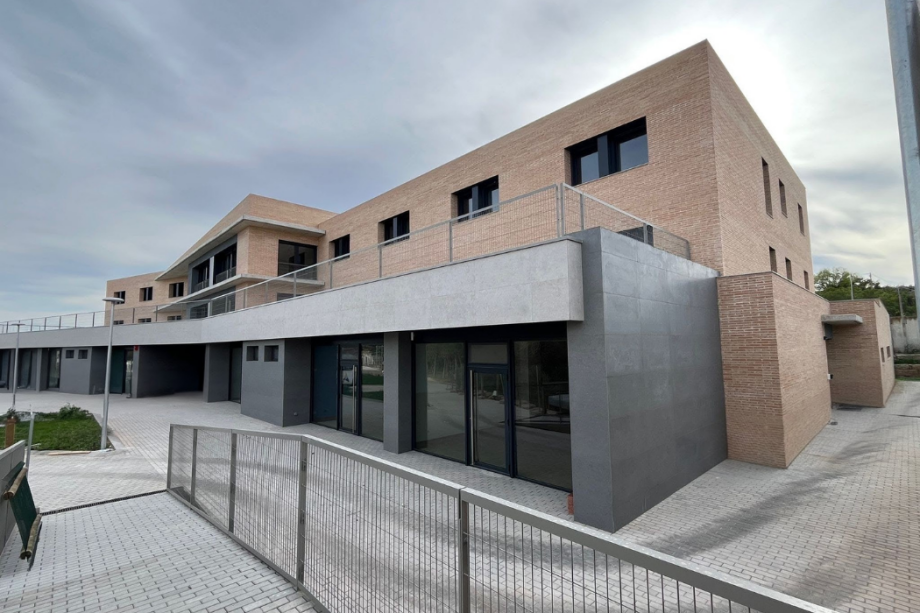
Today, we are proud to announce that the Apinas residence is now fully operational. Below, we detail some of the most notable installations we have carried out in this building.

Retaining young talent: beyond salary
The employment paradigm is changing radically. The younger generations—especially millennials and Generation Z—no longer seek only stable employment: they want to live well, have time for themselves, and devote themselves to meaningful projects.


Methods to calculate the carbon footprint
There is a wide variety of standards and methodologies for calculating the carbon footprint at international level, as is evident from the reports of the European Commission.

What is the carbon footprint?
A carbon footprint is defined as ‘the total greenhouse gases emitted by the direct or indirect effect of an individual, organisation, event or product’.

News on aid for the purchase of houses
Recently, the central government approved the ICO guarantees to facilitate the purchase of primary residences for young people under the age of 35 and families with dependent minors. This guarantee will allow financial institutions to grant mortgages of 100% of the purchase price, when the necessary income limit requirements are met.

People
Gerard Gibert i Marín

Annabel Farrés i Amatller

Maite Torres i Prats

Miquel Adrio i Pérez

Miklos Gerardo Gerecz i del Aguila

Pol Frade Dalmau

Projects
Engineering and sustainability; designing the future of agri-food complexes

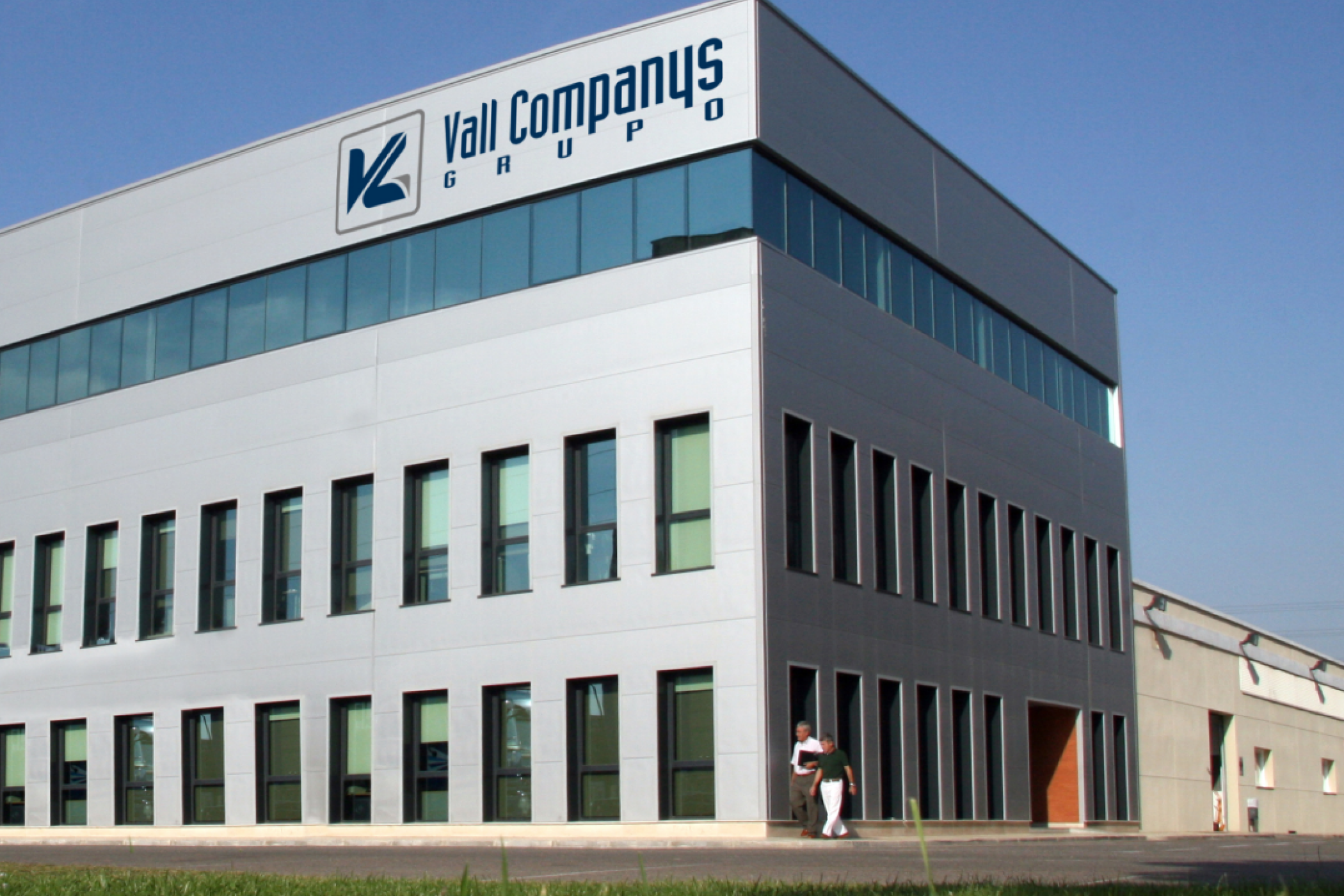
Comprehensive Project: modern, secure, and sustainable offices

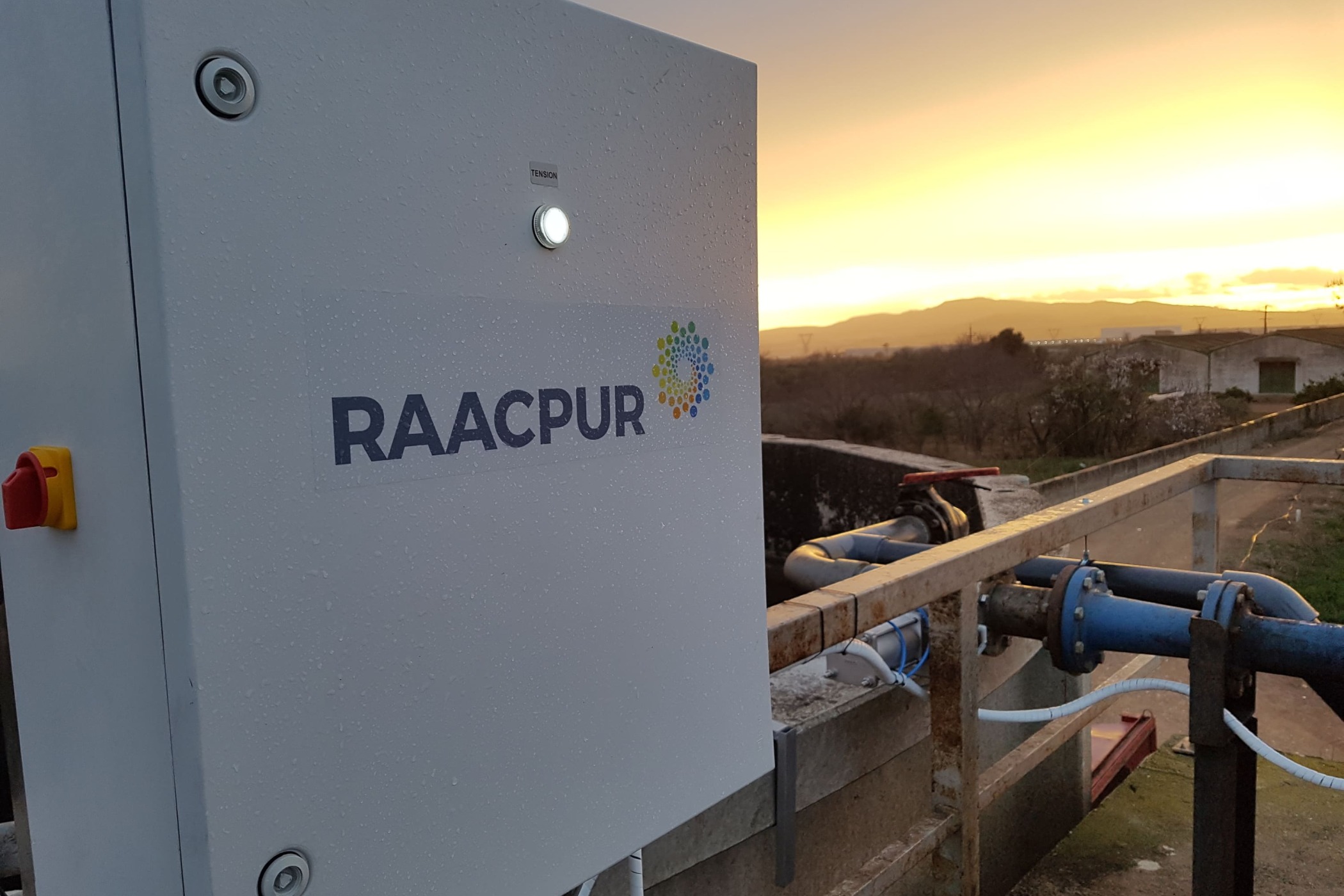
Improving the efficiency of a biological plant in Tarragonès

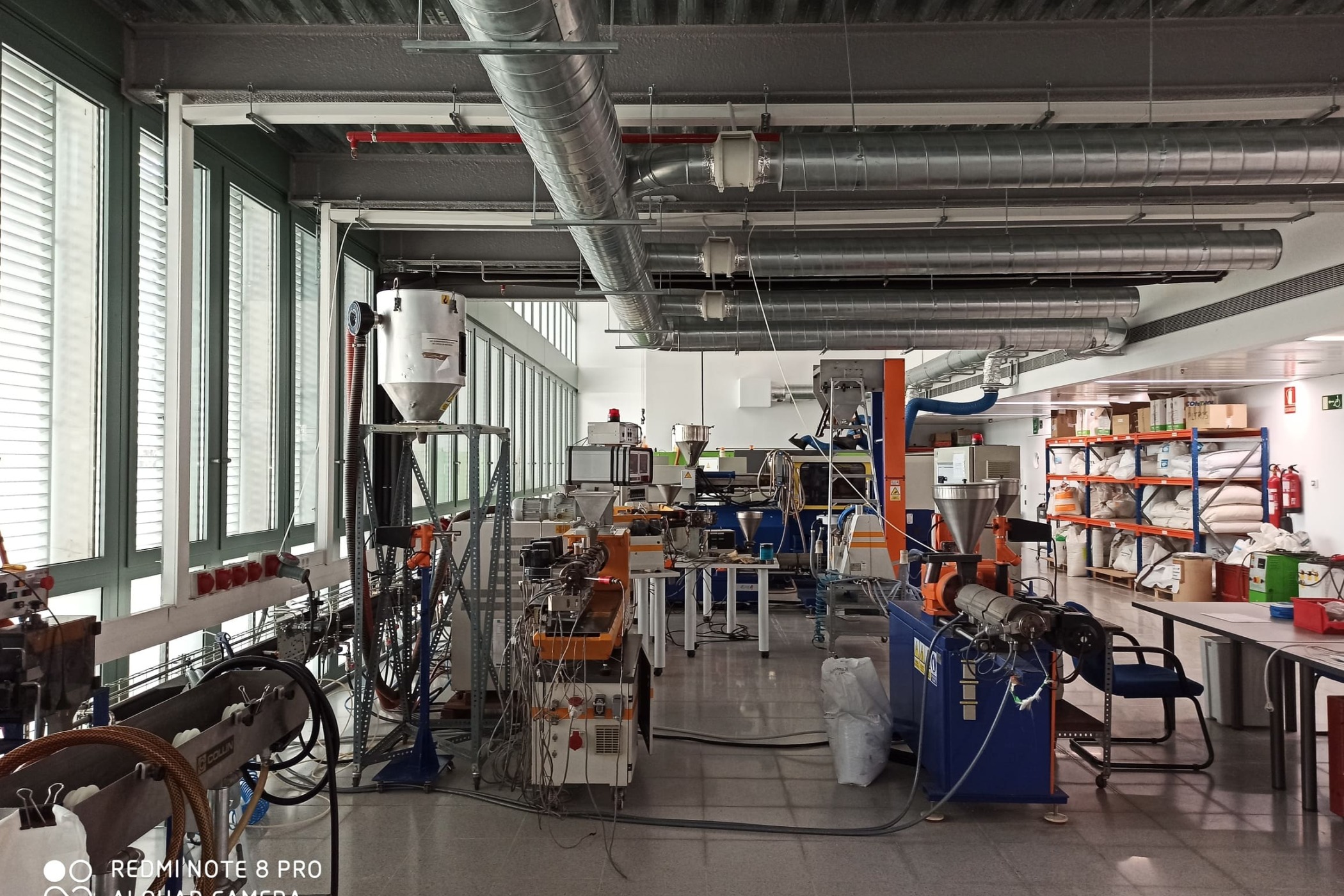
Promoting Innovation: A project for the Relocation of the Catalan Plastic Center to the UPC Diagonal Besòs Campus.

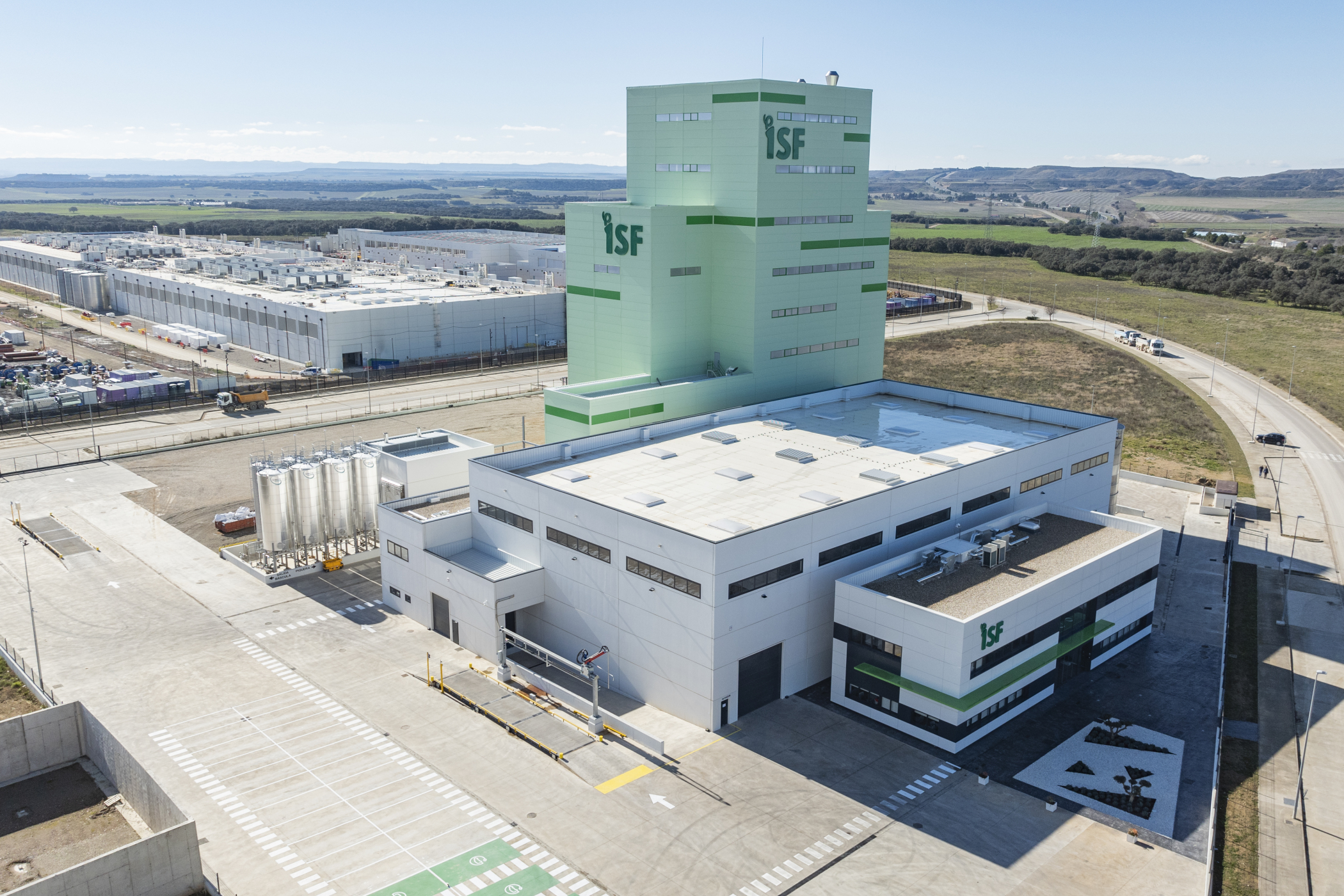
Making Major Expansion Projects a Reality in Huesca

Products
Sustainability
- Environmental consultancy
- Environmental impact
- Climate change management
- Product sustainability
- Corporate sustainability


RAACPUR | Biological treatment plants for livestock manure.
- Yields certified by official bodies
- Cost reduction
- Comprehensive support
- Easy maintenance
- Subsidised investment
