Together, we achieve goals.
What's your today?
11 resultsNews and articles
Methods to calculate the carbon footprint
There is a wide variety of standards and methodologies for calculating the carbon footprint at international level, as is evident from the reports of the European Commission.

The 3 scopes of the carbon footprint
When referring to the carbon footprint of an organisation and the emission sources that are analysed in its calculation, we refer to the concepts of Scope or Category (depending on the calculation method used: GHG Protocol or ISO 14064-1- respectively).

Be part of the change: how to activate the ‘E’ in ESG


Transition to Net Zero in SMEs: strategic opportunity or competitive risk?
For many small and medium-sized enterprises, the concept of Net Zero is still associated with large corporations, distant goals and difficult investments. However, in the current context marked by European regulation, sustainable financing criteria and growing demands from customers and supply chains, decarbonisation is already part of the strategic framework of any company, regardless of its size.

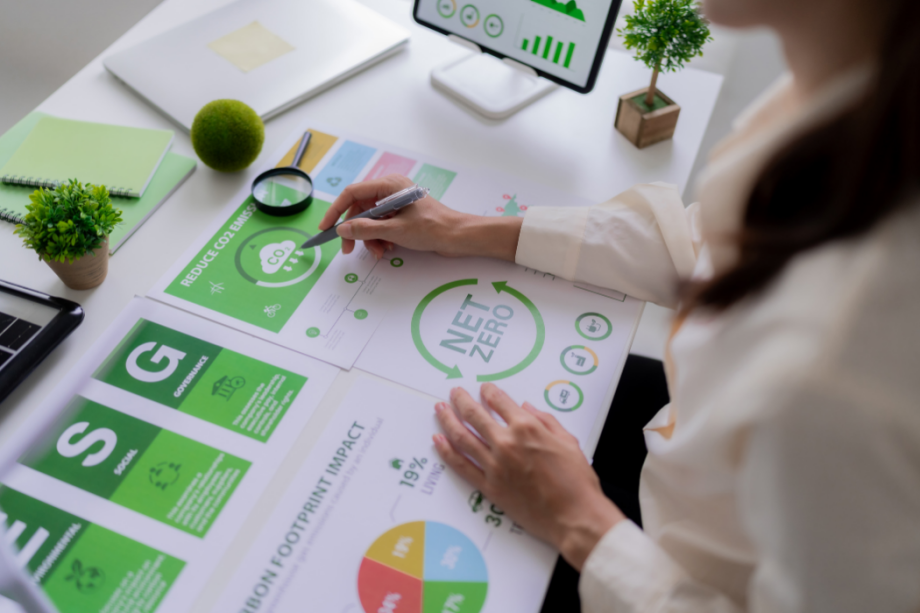
Grup Carles: Innovation and Sustainability at FIGAN 2025
Grup Carles is committed to a more sustainable and efficient future in the agri-food sector. In this edition of FIGAN 2025, which will take place from 25 to 28 March at the Zaragoza Trade Fair, we will present innovative solutions focused on sustainability and efficiency in animal production.

CBAM: A crucial tool in the fight against climate change
CBAM, or Carbon Border Adjustment Mechanism, is an initiative that applies tariffs to imports based on the carbon emissions associated with the products. This mechanism seeks to prevent carbon leakage by ensuring that imported goods meet the same environmental standards as locally produced goods.

Registration in the CBAM transitional registry
As the European Union (EU) steps up its climate efforts, concerns are rising about carbon leakage, a phenomenon whereby companies move carbon-intensive production outside the EU to avoid strict climate policies. In response, the EU has implemented the Carbon Border Adjustment Mechanism (CBAM), a tool designed to put a fair price on carbon and encourage cleaner practices globally.
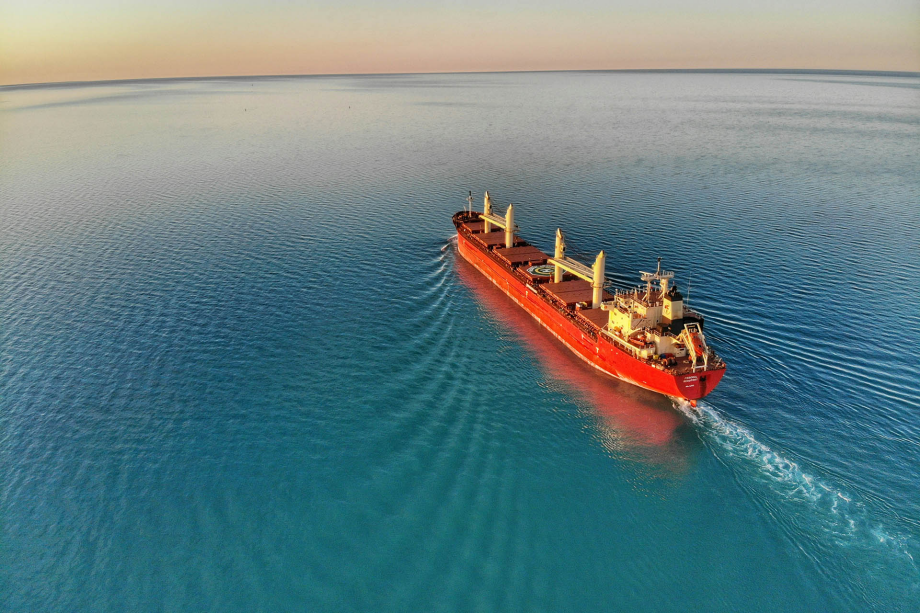
How life cycle analysis can improve competitiveness and business transparency
In the current situation, where sustainability has been consolidated as an essential pillar, life cycle analysis emerges as an indispensable tool for all industries, especially those linked to construction and the manufacture of materials.


Projects

Products
Sustainability
- Environmental consultancy
- Environmental impact
- Climate change management
- Product sustainability
- Corporate sustainability


RAACPUR | Biological treatment plants for livestock manure.
- Yields certified by official bodies
- Cost reduction
- Comprehensive support
- Easy maintenance
- Subsidised investment
